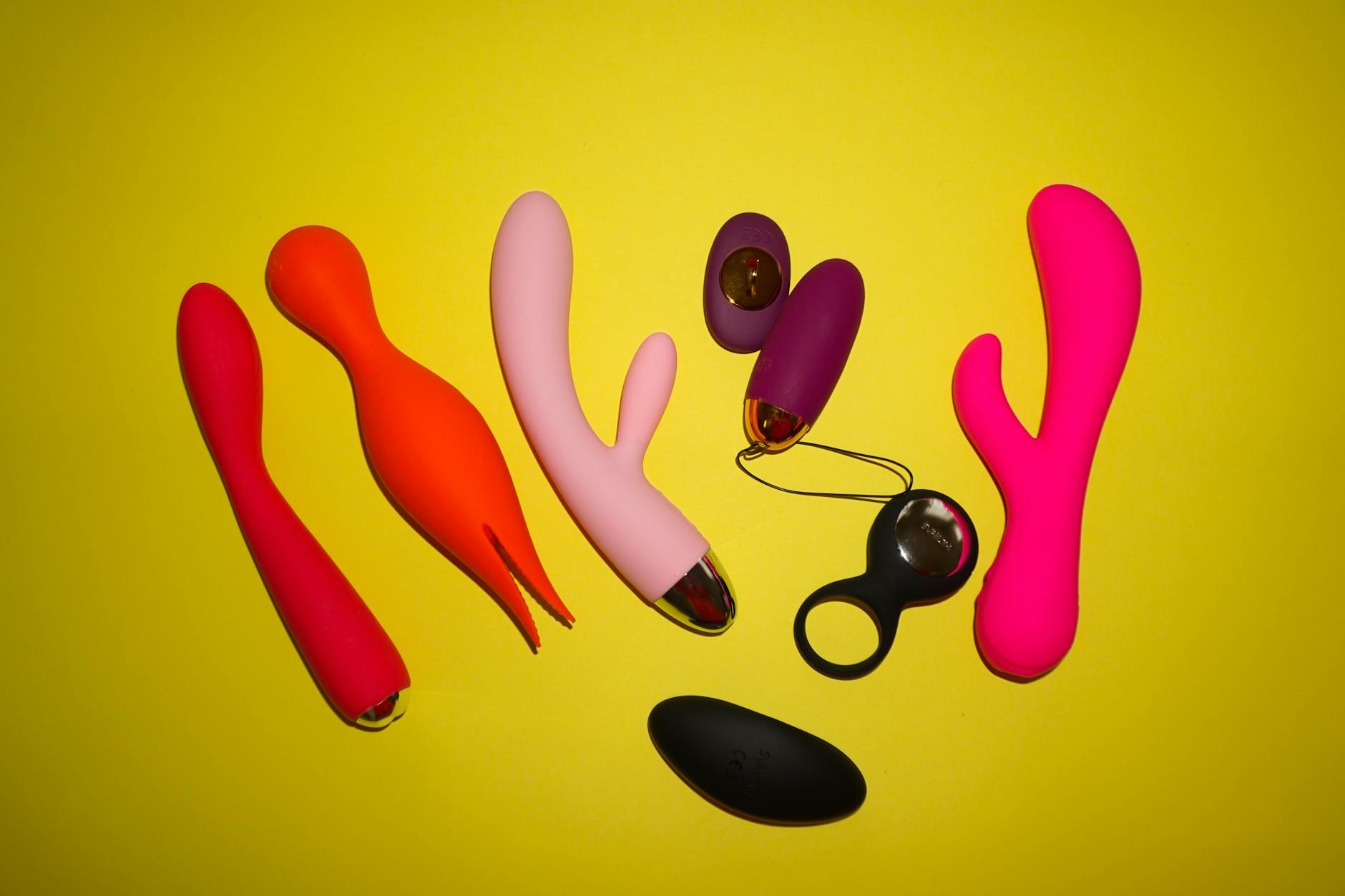
Let's talk about the medication you didn't want to blame
Here's the thing about hormonal medication and arousal. You get prescribed something for a legitimate reason.birth control that stops your period, HRT that steadies your mood, a medication that helps you sleep or manage anxiety. It works. Your life improves. And then somewhere between week two and month three, you notice that your desire has flatlined. The person you love is attractive. You want to want them. But your body isn't sending the signal.
And you don't want to be the person who stops taking medication that's helping them just to feel horny again.
So you tell yourself it's temporary. You'll adjust. Or you don't mention it at all.
I see this in my practice constantly. Hormonal medications do shift arousal. They lower testosterone, blunt dopamine, or change how your brain processes pleasure signals. That's not your imagination. It's not you being broken. It's not your relationship. It's biochemistry, and it's fixable.
How hormonal medications actually affect desire and sensation
Let's separate the layers. Most hormonal medications (birth control pills, patches, shots; some HRTs; certain psychiatric medications) work by altering circulating hormones. The ones that matter most for arousal are testosterone and dopamine. Lower testosterone means less raw sexual drive. Lower dopamine means pleasure feels muted, like you're watching your own experience through glass.
Tissue sensitivity can also change. If the medication lowers estrogen, your genital tissue becomes thinner and less lubricated, which makes touch feel less rewarding. It's not that sensation vanishes. It's that the signal is quieter.
Here's what people miss: this is not permanent. It's not a character flaw. And you don't have to choose between your health and your pleasure.
Why a lemon clitoral vibrator works when arousal is muted
A lemon vibrator, especially one using air-suction technology like the Lem, bypasses the problem. Instead of waiting for your brain to generate arousal, the device creates focused stimulation that wakes up the neural pathways directly.
This matters because when dopamine is low, your brain isn't generating the cascade of signals that normally build arousal. A lemon sucker doesn't ask your brain to do that work. It provides direct, sustained stimulation that's often enough to trigger arousal from the bottom up.
The suction sensation also reaches nerves that standard vibration sometimes misses. People taking medications that dampen sensation often report that traditional vibrators feel like nothing. Air-suction is different. It creates a pulling sensation that registers even when flat vibration doesn't.
Starting your routine when nothing feels like much
Most of my clients on hormonal medications need to approach pleasure differently than they did before the medication. That's not sad. It's just real. Here's what I recommend.
Lower your expectations about spontaneity. When dopamine is muted, spontaneous arousal is rare. Plan pleasure instead. "Friday at 8 p.m." feels less romantic than "whenever we feel like it," but it works. You show up. The lemon clitoral vibrator does its job. Arousal follows.
Extend warm-up time by half. If you normally took five minutes to feel turned on, budget ten or twelve now. Your brain is slower to activate, but it will activate. You're not broken. You're just not primed.
Start with the lemon vibrator solo. If you're with a partner, they might feel weird about the device doing what they used to do. That's a separate conversation. First, build your own connection to sensation again. Use the lem vibrator on lower settings, explore what patterns feel good, notice what builds. This is reconnaissance. Spend a few solo sessions here before you invite anyone else.
Track what changes with your cycle or dose. Many people find that arousal fluctuates even on hormonal medications. If you're on birth control, arousal might dip in the first week of a new pack. If you're adjusting HRT doses, desire might shift every few weeks. Keep a low-pressure note. "Good week" vs. "flat week." This helps you stop blaming yourself and start understanding the pattern.
When to talk to your prescriber
If you've been on a medication for three months and arousal hasn't returned at all, that's worth mentioning to the doctor who prescribed it. Not in a casual mention. A real conversation. "The medication is helping my health, and I want to keep taking it. I've also noticed my arousal dropped significantly. What are my options?"
Options might include changing the dose, switching to a different formulation (pill to patch, for example), adding a short-term boost (some prescribers will add a low dose of a different medication), or trying it with an arousal aid, which is where the lemon vibrator comes in.
Some prescribers know nothing about this. Some are awkward about it. Some are great. But they can't help if you don't ask.
The conversation with your partner
If you're not single, at some point you need to explain what's happening. Not as "I'm not attracted to you anymore," because that's usually not true. More like: "My medication has changed how quickly I get aroused. I want to stay on this medication because it's helping my health. So we're going to rebuild how we approach pleasure together."
Then show them the lemon vibrator. Not as a threat to them. As a tool you're both using to reconnect. Some partners feel relief. They were wondering if it was them. Knowing it's the medication actually solves the emotional problem.
Some partners need reassurance that this is temporary or manageable, not a sign you're leaving. That's fair. Give it. Also be honest: "I don't know how long this takes. Let's try it and see."
What to expect in the first month
Week one. You use the lemon clitoral vibrator. It feels like touch, maybe pleasant, maybe nothing. That's normal. Your brain is starved for stimulation. One session won't rewire it.
Week two to three. You start to notice a difference. The sensations are building a tiny bit. You might not be "aroused" in the old sense, but you're less flat. You're feeling something.
Week four. You're getting to a place where pleasure is real again, though it might look different than it did before the medication. Some people find they prefer longer sessions, lower intensities, or different patterns than they used to.
This is when people often ask: "Is this permanent now? Do I need the device forever?" The answer is usually no. Once your brain remembers what pleasure feels like, arousal starts coming more naturally again. But during the medication adjustment period, having the lemon vibrator is genuinely helpful.
The thing people don't talk about enough
Taking medication that makes you feel less aroused while simultaneously being told that "you should just feel sexy" is deeply alienating. Your body isn't cooperating. The culture says pleasure should be effortless. Your brain knows better. You're managing a real health condition, and that has a cost. The cost is real. It's not small. But it's also not permanent.
Using a lemon sexual toy during this transition isn't giving up on natural arousal. It's bridging a gap while your brain and body find their new rhythm. Think of it the same way you'd think about physical therapy after an injury. You're not stuck doing it forever. You're using the right tool to help yourself heal.
People also ask
Does using a lemon vibrator make it harder to get aroused naturally later?
No. If anything, the opposite is true. When you're on a medication that's muting arousal, your brain actually forgets what pleasure feels like. Using a lemon clitoral vibrator reminds your neural pathways. Once arousal starts returning naturally, you'll want the device less. But you have to rebuild the connection first.
Can I use a lemon sucker if I'm also taking antidepressants?
Yes. Many antidepressants also affect arousal. A lemon vibrator works the same way on antidepressant-related numbness as it does on birth control-related flatness. You might need to adjust intensity or patterns, but the device is safe. If you're concerned about interactions with your specific medication, mention it to your prescriber, though most won't have contraindications.
What if my partner thinks the device means I'm not satisfied with them?
This is emotional, not logical, so logic won't fix it. Have the conversation before bed, before sex, in a context where neither of you is vulnerable or trying to be intimate. Say something like: "I want to use this because my medication is affecting my arousal. It has nothing to do with how I feel about you. It's a tool, like coffee when I'm tired." If they still resist, couples therapy might help more than any vibrator will.
How is a lemon clitoral vibrator different from a regular vibrator when I'm on hormonal medication?
Air-suction technology (like in the lem vibrator) creates a different type of stimulation than traditional vibration. Many people find it more effective when sensation is muted by medication. It's not necessarily better. It's just different, and for medication-dampened arousal, different often works better.
Should I tell my doctor I'm using a sex toy?
Technically, no. There's no safety reason to disclose it. What you should disclose is that your arousal has changed and you want help managing it. What tools you use is between you and your partner (if applicable). But if you're worried about safety or interactions, yes, mention it.
Will my arousal ever feel the same as before the medication?
Probably not identical. Most people adjust to new medications and eventually feel arousal again, though sometimes the texture of it changes. Some people find it takes weeks. Others take months. If it's been six months and nothing has shifted, that's a genuine reason to revisit the medication with your prescriber. You shouldn't have to choose between mental health and sexual health indefinitely.
The real part
I work with couples constantly where one partner is on a medication that's changed their arousal. The best ones handle it like this: they acknowledge that something shifted, they agree it's not about the relationship, they try tools together, and they get back to pleasure. Not always identical pleasure. But real pleasure.
A lemon sexual toy is one of those tools. It's not magic. It won't fix everything. But it can bridge the gap while your body figures out how to feel pleasure again on a new medication. And honestly, that's enough.