The real problem with long-distance sex
Let's be real. Long-distance relationships don't fail because of distance. They fail because connection erodes. And physical connection erodes faster than anything else.
The problem isn't that you can't have sex. It's that you can't sustain the feeling of being wanted in real time. Video calls help. Talking helps. But your body still feels the absence. And after weeks of absence, desire starts to feel like obligation.
Here's what I see with my clients: couples in long-distance relationships often stop masturbating altogether. They wait for visits. They save desire for those windows. This sounds romantic. It's actually the opposite. You're training your body to associate pleasure with scarcity.
Why solo pleasure actually strengthens your relationship
Counterintuitive but true: people who maintain their own pleasure practices have stronger long-distance relationships than people who "save it" for visits.
Three reasons why.
First, you stay in your body. Long-distance is emotionally exhausting. You spend three weeks in your head, planning visits, managing time zones, messaging constantly. Your nervous system gets stuck in anticipation mode. When you orgasm regularly on your own, your body remembers what it feels like to be present. That presence carries into video calls, into conversations, into how you show up together.
Second, you maintain baseline desire. Desire is like a muscle. It atrophies without use. If you wait eight weeks for a visit without touching yourself, your body has been in low-arousal mode for two months. It takes longer to warm up. The visit feels rushed. Stress kills the whole thing. People who stay sexually active alone arrive at visits already warm, already connected to their own pleasure.
Third, you have better things to talk about. Couples who both maintain solo practices have richer communication about pleasure. You're not just messaging "I miss you." You're texting "I was thinking about you while I was touching myself" or "What's something you want to try next time?" That's conversation that rebuilds intimacy in the gaps.
Setting up a ritual around time zones
Here's where most long-distance couples go wrong: they try to sync up. They wait for a time when both partners can video call and play together. This fails immediately because time zones are brutal.
Instead, build rituals that don't require simultaneous presence.
Make solo pleasure part of your routine. Pick a time when you're alone, when you have 20 minutes, and commit to it. For some people that's Sunday morning. For others it's Wednesday night after work. The specificity matters. Your nervous system needs to expect it.
Text about it afterward. You don't need to watch each other. You need to report in. "Just finished, felt amazing, wish you were here" takes 10 seconds and rebuilds connection. It says: I'm still in my body, I'm still thinking about you, you matter to my pleasure.
Schedule video intimacy differently. Instead of trying to coordinate simultaneous masturbation, schedule a call where you talk about desire. What are you thinking about? What did you like last time we were together? What do you want to try? This conversation happens better when neither of you is frantically trying to sync arousal across time zones.
Why a lemon vibrator changes the equation
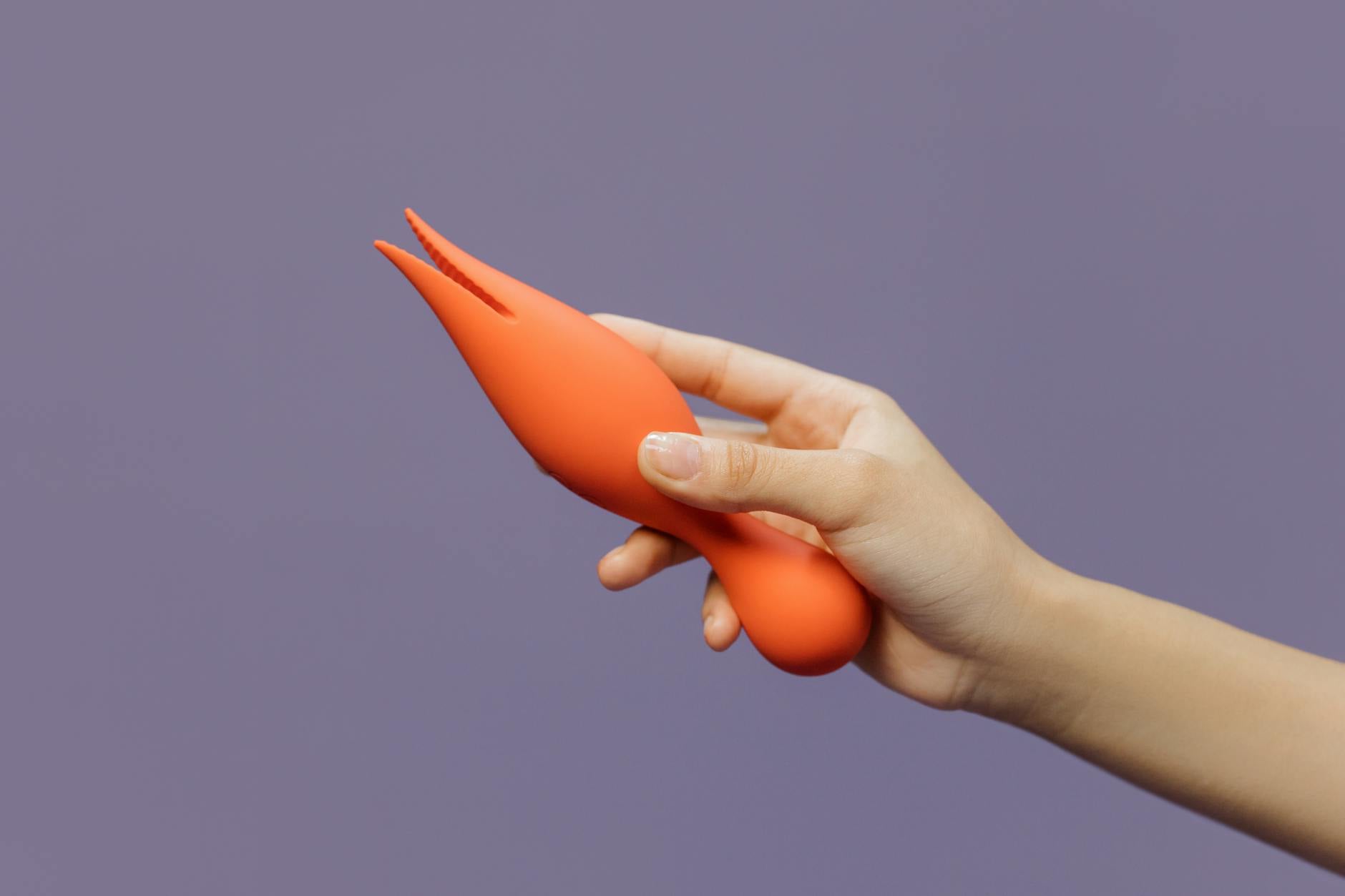
Lemmon sexual toys like our clitoral vibrator are specifically useful in long-distance relationships for one reason: they work fast and they feel good enough that you actually use them consistently.
Here's what I mean. A lemon clitoral vibrator gets to the point. You don't need extended warm-up time. You don't need to be already highly aroused. The suction creates sensation even when arousal is slow to build. That matters when you're stressed, when you're in a time zone where you're exhausted, when you're squeezing solo pleasure into a lunch break.
Consistency matters more than intensity in a long-distance relationship. A lemon vibrator you actually use twice a week is better than a toy you think about using but never find the energy for.
The pre-visit protocol
Two weeks before a visit, shift your ritual slightly.
Start touching yourself more, not less. I know this sounds backwards. But the body needs time to relearn arousal. If you've been semi-checked-out sexually, two weeks of regular stimulation resets your nervous system. You arrive at the visit already warm. Already in your body. Already remembering what desire feels like.
During those two weeks, also increase communication about what you want to do together. Text specific things. Read erotica together over video (yes, read aloud). Send voice messages about desire. By the time you're together, you're not starting from zero. You're arriving at a conversation that's already hot.
Managing the post-visit crash
This is where most couples stumble. You have an amazing visit. The sex is incredible. Then you separate and there's this void.
Don't stop touching yourself after a visit. Do the opposite. Keep the ritual going, maybe even increase frequency for the first two weeks. Your body needs continuity. If you go from frequent sex with your partner to complete absence, your nervous system crashes. You feel the loss more acutely.
Instead, keep yourself warm. Stay in your body. Remind yourself that the separation is temporary and that your own pleasure is part of staying connected.
Photo by cottonbro studio on Pexels
Building anticipation without obsessing
Long-distance relationships live in anticipation. The trick is managing it so it strengthens connection instead of building resentment.
Anticipation works best when it's grounded in your body, not just in your mind. That's where solo pleasure helps. When you masturbate, you're building arousal in real time. When you text about it, you're sharing that arousal with your partner. When you do this consistently, anticipation becomes something you're both actively building together, not something you're passively waiting for.
This is different from obsessing about the next visit. Obsession is anxiety dressed up as love. Anticipation with a grounded pleasure practice is actually healthy.
The conversation you need to have
Not every partner is automatically on board with solo pleasure during long-distance separation. Some people feel threatened by it. Some grew up with shame around masturbation. Some genuinely believe you should "save yourself" for each other.
Have this conversation early and often. Not as a negotiation, but as an education. Explain what you've read here: that people who maintain their own pleasure practices have stronger long-distance relationships. That you're not replacing them. You're maintaining your own capacity for pleasure so that when you're together, you're both more present.
If your partner still feels threatened, that's worth exploring. Long-distance relationships require a certain emotional maturity. If you can't talk about solo pleasure without someone feeling inadequate, you're going to struggle with other things too.
Syncing without simultaneous presence
Some couples want to try synchronized play, just across distance. Here's how to make it actually work.
Pick a time that works for both of you in your respective time zones. Not the same time, but times that are close. You start in your time zone. You both set 15-minute timers. You both touch yourselves. You both come whenever your body is ready. Then you message each other when you're done.
The point isn't to finish together. It's to know that at roughly the same moment, on different continents, you were both choosing pleasure and thinking about each other. That's intimate without requiring logistical perfection.
Some couples also send videos or photos after. That's a conversation you need to have about comfort, privacy, and what feels good to both of you. Don't assume.
When to bring it up with your partner
If you're reading this and your partner has no idea you're thinking about starting or restarting a solo pleasure practice, that's okay. You don't need permission. But you might want to give them a heads-up, especially if you're planning to text about it afterward.
Frame it like this: "I've been thinking about ways to stay connected while we're apart. I want to make sure I'm taking care of my own pleasure too, not just waiting for visits. I'd love to text you about it sometimes." Most partners find this hot, not threatening.
If your partner does feel threatened, circle back to the conversation part. There's something worth exploring there.
FAQ
How often should I use a lemon vibrator alone in a long-distance relationship?
There's no magic number. But consistency matters more than frequency. Twice a week, same times, same ritual, is better than sporadic use. Your nervous system responds to patterns. When your body expects pleasure on Wednesday nights and Saturday mornings, arousal actually builds faster. You're not starting from zero each time.
Can my partner watch me via video while I use a lemon clitoral vibrator?
Absolutely, if you both want to. That's a conversation to have first. Some people love it. Some find it logistically awkward (time zones, phone positioning, distraction). Some prefer to keep solo pleasure separate and share about it afterward through text or voice messages. There's no wrong answer as long as you both consent.
What if my partner feels jealous of my solo pleasure practice?
That jealousy usually comes from a deeper fear: that you're replacing them, that you don't need them, that the relationship is becoming one-directional. It's worth exploring with them. The real reassurance isn't stopping your practice. It's showing them that your pleasure practice brings you closer to them, not away. You arrive at visits more present. You communicate more openly. You're less resentful about the distance.
Is it better to use a vibrator alone or with my hands in a long-distance relationship?
Both are valid. But a tool like a lemon vibrator has advantages: it's faster, requires less mental effort, and can feel good even when arousal is slow to build. If you're using pleasure as a ritual to stay in your body and connected to your partner, efficiency matters. You're more likely to stick with a practice if it takes 15 minutes instead of 45.
How do I start this conversation if we've never talked about solo pleasure before?
Start with vulnerability. "I've been feeling disconnected sexually because of the distance, and I think I want to start touching myself more regularly. I'm not trying to replace you or our visits. I think it'll actually help me feel closer to you." Most partners respond well to honesty, especially when it's framed around connection rather than complaint.
What if we're in very different time zones and can't sync up at all?
Then you work with asynchronous rituals. You have solo practice at times that work for you. You report in through text or voice messages. You schedule video calls for talking about desire and anticipation, separate from the solo practice itself. You use visits as the main window for simultaneous pleasure. This actually works better for many couples than trying to force synchronicity.
The deeper work
Long-distance relationships require you to get comfortable with separation. Not as something to endure, but as a real part of how you operate as a couple. That comfort comes from staying in your own body, maintaining your own pleasure, and remembering that desire is something you generate for yourself, not something your partner has to create for you.
When you can do that, distance becomes a different kind of intimacy. It's not less. It's just different. You're maintaining connection through intention, communication, and the knowledge that both of you are choosing pleasure, choosing each other, across whatever space is between you.
If you want to talk about specific strategies for your relationship, we're here to help.