Let's be real about conflict and desire
Relationship tension does something weird to your body. It doesn't just make you annoyed at your partner. It shuts down the part of your brain that feels pleasure. Cortisol spikes, arousal drops, and suddenly the thought of sex feels about as appealing as a tax audit.
The frustrating part? This response is completely normal and completely fixable. You don't need the conflict resolved perfectly to reconnect with pleasure. You need permission to explore it on your own terms first.
Why solo play matters more than you think right now
Here's what most couples get wrong about rebuilding intimacy after conflict: they try to fix everything through partnered sex. They assume they need to reconnect with each other to reconnect with desire. Actually, that's backwards.
When you're angry or hurt, your nervous system is activated. Your body is in protective mode. Partnered sex in that state often feels mechanical or forced, which teaches your body that intimacy equals pressure. Solo exploration with a tool like the Lem changes that equation. It says: pleasure is mine to have, on my timeline, without anyone else's expectations.
Research on couples therapy consistently shows that individuals who can access their own pleasure independently actually rebuild partnered intimacy faster than those who wait for their partner to "fix" things. When you remember what feels good in your own body, you bring that confidence and knowledge back to the relationship.
How to start when touching yourself feels complicated
Conflict makes everything feel heavier. Even solo pleasure can feel guilty or loaded. Here's the practical workaround.
First, don't frame this as "getting over the fight." Frame it as curiosity. You're not trying to prove anything or fix anything. You're just exploring. This subtle reframe matters because it removes the pressure that made your nervous system contract in the first place.
Second, create genuine separation from your partner and your shared space if possible. Take a bath. Go to a room with a lock. Headphones, music, whatever helps you feel genuinely private. Your nervous system needs to believe you're safe before it will let pleasure happen.
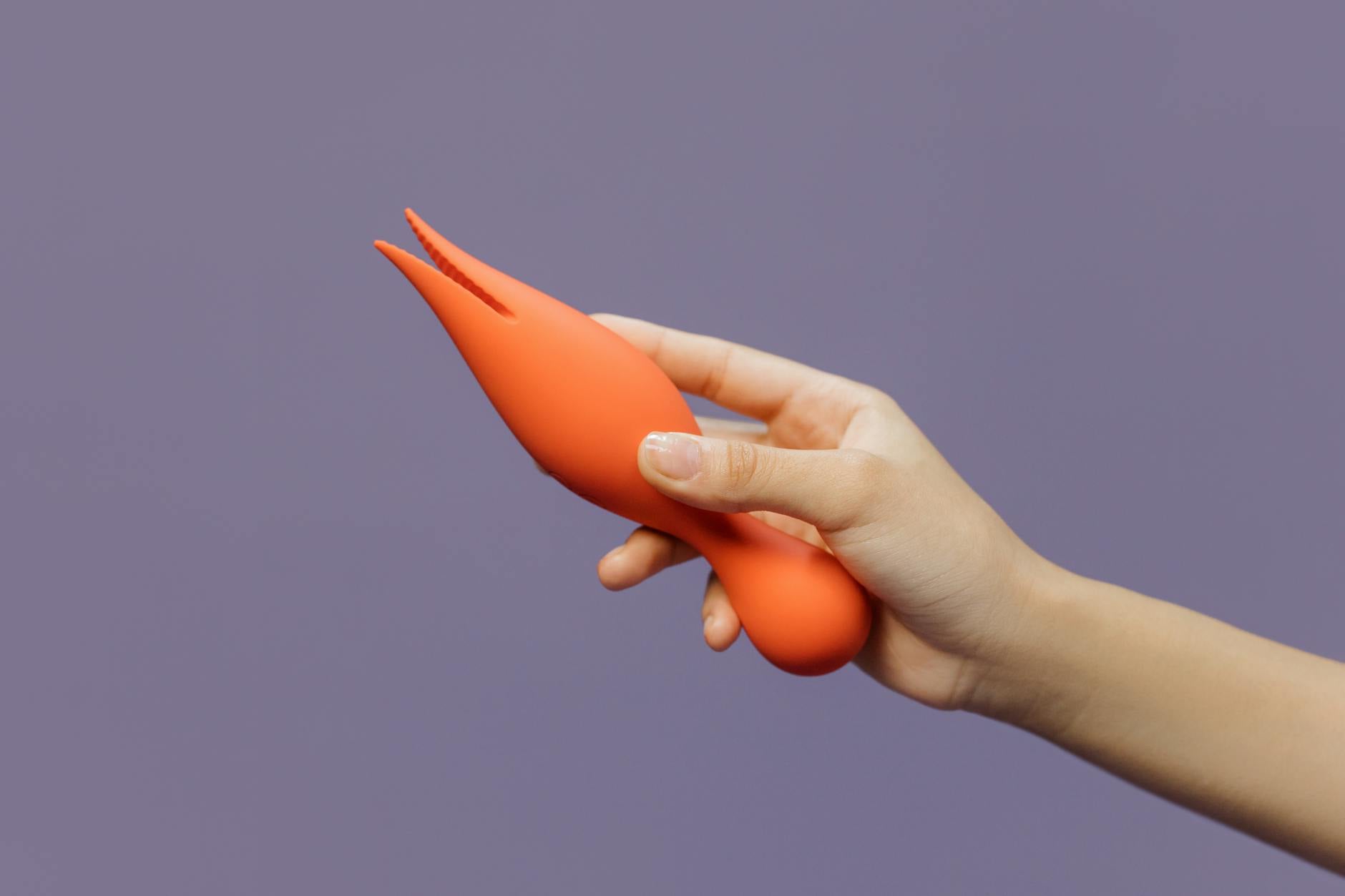
Third, start with the Lem on the gentlest settings. Patterns 1 through 3. This isn't about rushing to sensation. It's about your body remembering that pleasure is possible. The clitoral suction design of the Lem means you get stimulation without the friction that can feel too intense when you're already wound up. That matters.
The patience part nobody talks about
Your pleasure won't feel like it did before the conflict immediately. That's not failure. That's your nervous system being cautious.
Expect the first few sessions to feel tentative. You might get distracted by what you're arguing about. That's normal. Your brain is trying to stay hypervigilant. Don't force it. Use the vibrator for 10 or 15 minutes, then stop. The goal right now is to prove to your body that pleasure is still available, not to have an explosive orgasm.
Most people find that by the third or fourth session of solo exploration, something shifts. Your nervous system starts to downregulate. Sensation becomes clearer. Pleasure stops feeling like you're being selfish or disloyal and starts feeling like it belongs to you.
When to introduce this back into partnered intimacy
You'll know you're ready when pleasure stops feeling compartmentalized. This usually takes about a week or two of consistent solo play.
The next step isn't jumping back into partnered sex. It's letting your partner know you've been reconnecting with your own body. That can be as simple as "I've been using the Lem and remembering what I like." No need to make it weird or complicated.
If your partner is interested, you can use solo play as foreplay. Use the Lem on yourself while they're present, without pressure for anything else to happen. This does something powerful: it lets them see you in pleasure, which rebuilds attraction and trust. It also means you're not dependent on them to make pleasure happen, which removes a massive source of pressure and resentment.
The bigger conversation you're actually having
When you rebuild desire after conflict through solo exploration, you're not just fixing sex. You're changing the dynamic. You're saying: I am responsible for my own pleasure. I'm not waiting for you to fix me or turn me on. I can feel good in my body independently.
This actually makes you a better partner, not a more distant one. Partners who access their own pleasure are less resentful, less dependent, and more genuinely present. They're not performing pleasure for someone else. They're inviting someone into pleasure they already have.
If your relationship is worth rebuilding, this foundation matters. If it's not, at least you've reconnected with yourself.
Using the Lem specifically after relationship tension
The Lem's suction technology works particularly well in this context because it doesn't require the same psychological "buy-in" as other vibrators. You can turn it on, place it, and let it work while your mind is still a bit scattered.
Start low. Patterns 1 through 3 for the first few weeks. The suction builds gradually and gives your nervous system time to adjust. Once pleasure feels less complicated, you can experiment with higher patterns. But honestly, many people find their deepest satisfaction stays in the gentler ranges when they're rebuilding after conflict.
Water-based lubricant helps, especially if tension has made you less naturally lubricated. That's not a sign something's wrong. That's just what cortisol does. A little external lubrication removes any friction (both physical and psychological) that might distract you.
The timeline and what to expect
Week one: curiosity and tentative exploration. Expect shorter sessions. Expect your mind to wander. This is exactly right.
Week two: pleasure starts feeling less foreign. You might notice preferences you forgot you had. The distinction between what your partner expects and what you actually want becomes clearer.
Week three and beyond: genuine reconnection with your own desire. This is when solo play can naturally evolve into a conversation with your partner about what's changed and what you both need moving forward.
The conflict doesn't disappear. But your capacity to feel good in your body beside it does appear. And that changes everything about how you relate to your partner and yourself.
People also ask
Will using a lemon vibrator solo make me want less partnered sex?
Actually, the opposite tends to happen. When you access your own pleasure regularly, you become more interested in partnered intimacy, not less. You're more confident, less resentful, and you know what you like. That makes partnered sex feel like something you're choosing, not something you're doing to keep the peace.
How do I tell my partner I'm using a vibrator during conflict?
You don't have to immediately. This is your healing work first. If and when you decide to share, keep it simple: "I've been taking time to reconnect with my body. I want to remember what feels good." Most partners appreciate the honesty and the fact that you're taking initiative. If they don't, that's information too.
Can I use the Lem if I'm still angry at my partner?
Yes. Actually, this is exactly when solo pleasure matters most. Your anger is valid. Your need to feel good in your body is also valid. These two things can coexist. Using the Lem while you're processing anger is fine. It's not saying the conflict is resolved. It's saying you deserve to feel good regardless.
What if I don't orgasm the first few times?
That's completely normal after conflict. Your nervous system is still in protective mode. Orgasm isn't the goal right now. Reconnection is. Use the Lem for sensation and presence, not as a performance metric. Orgasms will come back once your nervous system feels safer.
Is it wrong to explore pleasure before the conflict is fully resolved?
No. In fact, waiting for perfect resolution before you reconnect with your body keeps you stuck. Pleasure doesn't require that your partner has apologized perfectly or that everything is fixed. It requires that you've created enough safety in your own nervous system to feel something good.
How do I know if this relationship is worth rebuilding through intimacy?
That's bigger than what the Lem can answer. But here's a useful test: after a few weeks of solo reconnection, do you feel like inviting your partner back into your body? Or do you feel relieved to be separate? Your body will tell you. Listen to it. If rebuilding pleasure solo feels like you're preparing to leave, that's information. If it feels like you're preparing to reconnect, that's also information. Either way, your nervous system knows.
The work you're doing matters
Rebuilding pleasure after relationship conflict is not frivolous. It's not selfish. It's the foundation for everything that comes next, whether that's renewed intimacy with your partner or the clarity to know that the relationship needs to change. Either way, you deserve to feel good in your body. The Lem and the time you're taking for yourself make that possible.