The mismatch nobody wants to name
One partner could have sex every day. The other could be fine with once a month. This is the intimacy problem almost nobody talks about directly because it feels too much like rejection, too close to "something's wrong with you."
It's not. Desire frequency mismatch is the single most common sexual complaint couples bring to therapy. It's also the most fixable one if you stop treating it like a problem to solve and start treating it like information to work with.
Here's what I see in practice: one partner ends up resentful ("I always have to initiate"), the other ends up defensive ("I hate feeling pressured"), and both end up having less sex than either of them actually wants. A lemon vibrator, used intentionally, can interrupt that cycle entirely. But only if you understand what's actually happening first.
Why desire frequency mismatch feels worse than it is
Your brain doesn't separate sexual rejection from personal rejection. When your partner declines sex, your nervous system registers it the same way it would register being left out of something you care about. Over time, that accumulates into a feeling of being unwanted.
Meanwhile, your partner isn't refusing sex because of you. They might be tired, stressed, dealing with a lower baseline libido, or simply having a different rhythm than yours. But if that conversation never happens, you're both operating on assumption rather than fact.
The other thing that happens: the partner with higher desire starts to feel like the bad guy. They don't want to pressure anyone. So they stop asking. And then both partners are having less sex than they'd each like separately, but for completely different reasons.
What mismatched desire actually is (and isn't)
First, the neurobiology. Desire isn't a choice. It's influenced by hormones, stress levels, relationship satisfaction, medication, sleep, exercise, and about fifteen other variables that shift daily. Two people with different baselines will rarely sync perfectly, and that's normal.
Second, mismatched desire isn't about love or attraction. I've worked with couples deeply in love who have wildly different sex drives. The frequency mismatch says nothing about how they feel about each other.
Third, this isn't about compromise splitting the difference. "You want it twice a week, I want it twice a month, so let's do it weekly" sounds logical but feels terrible to both people. The person wanting more still feels deprived. The person wanting less still feels pressured. Everyone loses.
The conversation that actually fixes this
Before introducing any tool, you need to separate two things: initiation from desire, and frequency from satisfaction.
Start here: "I notice our sexual rhythm feels different. Can we talk about what we each actually want, without pressure or judgment?"
Then ask these questions, separately:
For the partner with lower baseline desire: What would make sex feel less like an obligation and more like something you want? Is it about timing, type of touch, emotional connection, or something else? Do you actually want more sex in general, or do you want the sex you have to feel different?
For the partner with higher desire: If we took the pressure off having penetrative sex every time, would you be satisfied with more foreplay or solo play together? Is the core need about physical release, emotional connection, or variety?
Listen to the answers. Don't problem-solve yet. The point is information, not solutions.
Where a lemon vibrator comes in
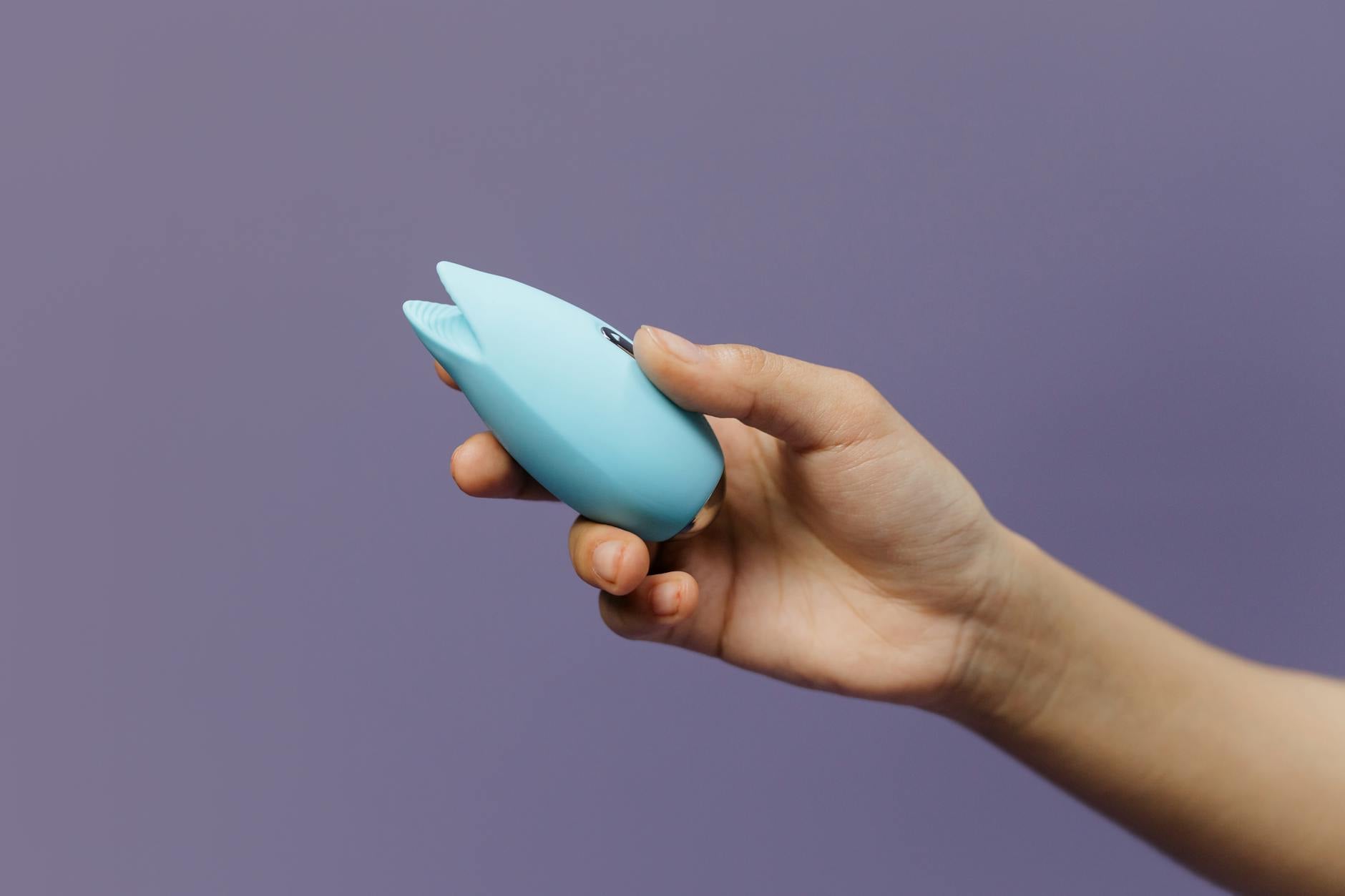
Once you understand what each person actually needs, a clitoral vibrator like the Lem becomes a tool for meeting in the middle. Not by forcing more frequent sex, but by expanding what "being sexual together" means.
Here's what this looks like in practice:
Partner A wants sex three times a week. Partner B wants it once every two weeks. Instead of fighting about it, they agree on this framework: one or two of those three times, Partner A uses the Lem on Partner B as foreplay or as the main event. Partner B doesn't have to perform penetration. Partner A gets physical stimulation and connection. Partner B gets pleasure without the pressure of "full" sex.
What shifts: Partner A stops feeling rejected. Partner B stops feeling pressured. And honestly? Many couples find that taking the performance pressure off actually increases Partner B's desire over time. When sex doesn't have to lead somewhere, when touch can end whenever, desire tends to expand.
The clitoral vibrator also levels another asymmetry. If one partner typically orgasms quickly and the other struggles, the Lem gives you a way to bring them closer to simultaneous climax without anyone having to work harder. That changes the whole emotional tenor of sex.
How to actually introduce this to your partner
Don't frame it as "fixing" anything. Frame it as exploration.
"I've been thinking about our different rhythms, and I don't want either of us to feel rejected or pressured. What if we played with something that might make it easier for both of us to get what we need?"
Show them without selling. If they're curious, let them hold it, ask questions. No pressure to use it immediately. Let it exist in the space first.
The first time you use it together, go slow. One partner can use the Lem on the other while kissing, or they can both use it together. Start with lower patterns (the Lem has ten intensity settings). The goal isn't intensity. It's sensation and presence.
Check in. "How does this feel? Do you want more, less, different?" This is true communication. Not "do you like it" but specific feedback about sensation.
The frequencies that actually work
After you've cleared the air and introduced tools, here's what I see work:
Option 1: Scheduled intimacy with flexibility. One partner wants structure. The other wants spontaneity. Agree on two or three times a week where sex is on the table. That removes the uncertainty. But both partners stay open to more if it happens. The person with lower desire doesn't feel ambushed. The person with higher desire has something to look forward to.
Option 2: Different types counting as intimacy. Not all sexual contact has to be the same. One night is penetration. One night is mutual masturbation with the Lem. One night is solo pleasure while your partner is present. Expand what "being sexual together" means.
Option 3: The Lem as a bridge activity. When one partner wants sex and the other doesn't, the clitoral vibrator becomes something neither of you has to own alone. It's not "he wants it, she doesn't." It's "we both want connection, just different types tonight."
What changes when you do this right
The resentment drops first. When both partners feel heard instead of blamed, the defensive walls come down. Then desire often naturally increases because there's less pressure. People want sex more when it doesn't feel mandatory.
You also get better at communication. Talking about sex and desire is terrifying for most couples. But once you've had that conversation and tried something together, talking about other difficult stuff gets easier. It's weird but true.
Most importantly: mismatched desire stops feeling like a flaw in the relationship. It becomes background information that you've learned to work with. Some couples use a lemon vibrator weekly for this exact reason. Others use it a few times and then discover they've organically shifted into a rhythm that works. Either way, the tool did its job.
When this approach doesn't work
If desire mismatch comes with contempt, criticism, or stonewalling, a vibrator isn't going to fix what's actually broken. Those are signs the relationship needs professional support from a couples therapist who specializes in intimacy.
Also: if one partner has completely lost desire due to depression, medication side effects, or trauma, that's separate from frequency mismatch. That needs medical or therapeutic attention first. A tool can't repair what's chemically or psychologically offline.
But if you both want connection and you're just stuck on timing and type, a clitoral vibrator becomes a language you can both speak.
FAQ: Mismatched Desire and Couples' Pleasure
How do I bring up desire mismatch without hurting my partner's feelings?
Lead with data, not blame. "I've noticed we have different rhythms when it comes to sex, and I think that's normal. I don't want either of us to feel rejected or pressured. Can we talk about what we each actually want?" Keep it about observation and curiosity, not complaint.
Will using a vibrator make my partner feel like I'm not attracted to them?
Not if you frame it correctly. This is a tool you're using together, not a replacement. Try: "I want us to have more ways to be intimate that feel good for both of us." When you introduce it as a bridge, not an escape route, the meaning changes completely.
What if my partner doesn't want to use a lemon vibrator?
That's okay. The vibrator is optional. The conversation isn't. If someone's resistant to any tool, ask why. Is it discomfort with the object itself? Fear of what it means? Pressure to perform? Understanding the resistance matters more than the tool. You might find the real issue is something else entirely.
Can a lemon vibrator actually fix a sexless marriage?
Not by itself. A sexless marriage usually has emotional roots that need attention first. But once you've reconnected emotionally, a clitoral vibrator like the Lem can help rebuild the sexual piece. It removes some of the performance pressure that keeps couples stuck.
How often should we use a vibrator if we have mismatched desire?
There's no "should." Start with once a week and see how it feels. Some couples end up using it more. Others use it occasionally. The frequency isn't the point. The point is having an option that doesn't pit one person's needs against the other's.
What if one of us feels insecure about introducing toys into the relationship?
Go slow. Let them know this is about expanding pleasure for both of you, not about replacement. Sometimes the insecurity is about control or fear of change. Talk about that directly before introducing anything. The conversation matters more than the tool.
The real shift
I've noticed something over years of working with couples on desire mismatch: the vibrator isn't really solving the problem. It's the permission you're giving each other to stop pretending you want the same thing at the same time.
Once you stop fighting your actual rhythms and start working with them, everything changes. You have more sex than you did when you were stuck fighting. You feel more connected. And you both get pleasure on your own terms instead of through compromise that satisfies no one.
If you're stuck in this cycle, start with the conversation. The lemon vibrator is just the tool that makes the conversation easier. But that honest talk about timing and desire? That's what actually fixes it.
Ready to explore together? Start with that conversation this week. Then reach out if you want more guidance on rebuilding connection as a team.