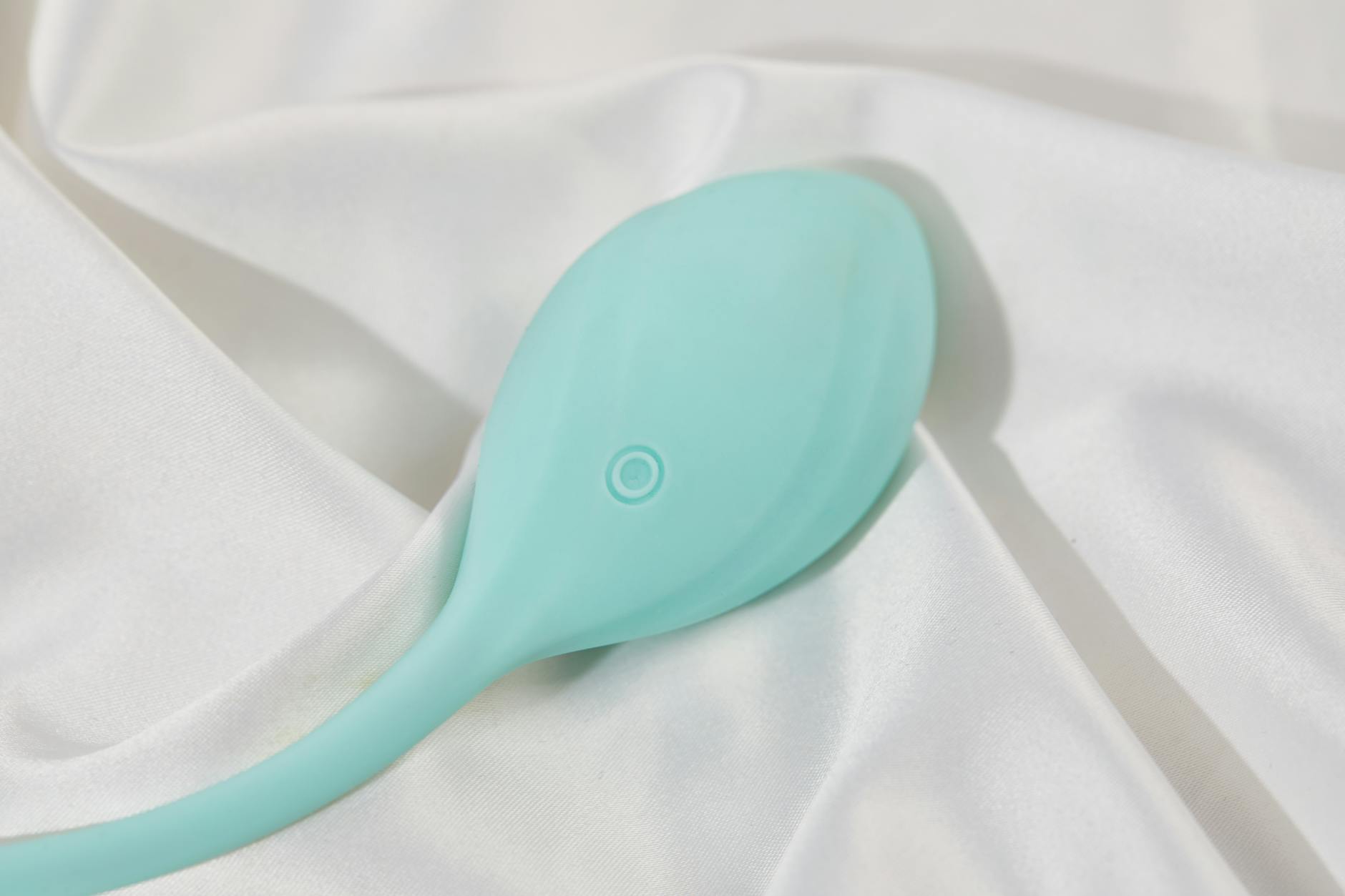
The unwanted bargain nobody warns you about
You take a medication for depression, anxiety, blood pressure, or allergies. It works. Your mood stabilizes. Your breathing eases. Your seasonal allergies stop hijacking your life. And then sex feels like trying to start a car with a dead battery. The engine turns over. Nothing happens.
This isn't your imagination. Common medications including SSRIs (sertraline, fluoxetine), SNRIs, antihistamines, and certain blood pressure regulators genuinely dampen sexual response by interfering with dopamine, serotonin, or blood flow to genital tissue. Roughly 40 to 60 percent of people on antidepressants report some shift in arousal, sensation, or orgasm quality. The problem is real. And the solution isn't "just switch medications" or "have more foreplay." It's understanding how your nervous system has changed and using tools designed for exactly this situation.
A lemon vibrator works differently than manual stimulation alone because it bypasses some of the sensory dampening caused by medication. Let me explain why, and then show you how to use it.
Why medications flatten sensation in the first place
Here's the chain reaction. SSRIs increase serotonin in the brain by blocking its reabsorption. This is fantastic for mood regulation. But serotonin also regulates dopamine, the neurotransmitter that drives desire and pleasure. Higher serotonin can paradoxically lower dopamine, especially in the reward pathways that fuel arousal.
Antihistamines block histamine, which normally dilates blood vessels. Less vasodilation means less blood flow to the clitoris and vulva. Beta-blockers do something similar by reducing blood flow overall. The tissue is still capable of sensation. The signal just takes longer to arrive.
The good news: sensation isn't gone. It's dimmed. A lemon clitoral vibrator works because it creates consistent, targeted stimulation that doesn't rely on your body's own arousal chemistry to amplify it. It's external stimulus strong enough to bypass the medication's muting effect.
How a lemon vibrator compensates for medication side effects
A clitoral vibrator like the Lemon works through suction and pulsation, which stimulate the nerve endings around the clitoris more directly than fingers or conventional vibrators can. This matters when medication has dulled your responsiveness.
Think of it this way: if your baseline arousal is usually a 7 but medication knocks it down to a 2, you need stronger, more consistent input to reach orgasm or pleasure. A suction-style lemon vibrator provides that input without requiring your body to do the heavy lifting.
The pulsation patterns on a lemon vibrator also engage the clitoris differently than steady pressure. Some patterns build gradually, which can help if your arousal cycle has slowed. Others are more immediate, useful if you're fighting numbness. You're not just hoping sensation will build. You're actively coaching your nervous system.
Starting with the right approach and realistic timing
If medication has flattened sensation, the temptation is to assume you need maximum intensity from day one. Don't. Start on pattern 1 or 2 and stay there for at least three sessions before experimenting with higher settings.
Why? Because your nervous system needs time to recognize what's happening. Sensation pathways that have been quieted by medication take time to wake up. You might feel almost nothing in week one. Week two might bring a subtle tingle. By week three, the same pattern might feel completely different. This is your nervous system relearning, not the vibrator failing.
Set a realistic timeline: 15 to 20 minutes per session, no orgasm requirement. The goal in the first two weeks is sensation building, not outcome. If you spend the whole session chasing an orgasm that doesn't come, you're creating more frustration on top of the medication's dampening effect.
The warm-up that actually helps
When medication is involved, foreplay isn't optional. It's foundational.
Before using your lemon vibrator, spend 5 to 10 minutes doing things that feel good with zero expectation of arousal. This might be: a warm shower focused on how water feels on your skin, touching your own body without genital focus, reading erotica, or looking at images that have worked for you in the past. The goal is to activate your parasympathetic nervous system and begin recruiting blood flow.
Don't evaluate whether you're "getting aroused." Just notice sensation. The warmth of the shower. The texture of fabric. The feeling of your own touch. This primes your nervous system without the pressure of trying to perform.
Then introduce the lemon vibrator on its lowest setting. Let it run for 30 seconds. Pause. Notice what you feel. Run it again. This start-stop rhythm can actually help sensation register better when medication is dampening it.
Using lemon vibrators with a partner when medication matters
If you have a partner, this conversation needs to happen before you introduce the vibrator. Here's what to actually say:
"My medication is affecting how I experience sensation. This isn't about you or how attracted I am to you. I want to explore using a toy to help me reconnect with pleasure. Are you willing to be part of that?"
Most partners will say yes. Some will want reassurance that it's not a replacement. It's not. It's a tool. A lemon vibrator is no more a replacement for your partner than a fork replaces a partner at dinner.
If your partner is involved, they can help in specific ways: applying warmth (a heating pad on your lower belly before starting), maintaining skin-to-skin contact while you use the vibrator, or simply being present without touching so you can focus on sensation. Some people find that their partner's presence quiets anxiety, which quiets medication's dampening effect even more.
Medication-specific timing and adjustments
Some medications matter more than others in how you approach this.
If you're on an SSRI or SNRI, the dampening effect is usually consistent throughout the day. Morning, afternoon, or evening won't make a huge difference. Explore at whatever time you have privacy and mental space.
If you're on an antihistamine taken daily (allergy season, chronic urticaria), the vasodilation suppression is cumulative. You might find that sensation improves on days you skip the dose if medically safe (which you'd only do under your doctor's guidance). More realistically, use your lemon vibrator on days when you're not also fighting seasonal allergies or other stressors that compound the dampening effect.
For blood pressure medications, timing sometimes matters because some are taken once daily and absorption peaks at certain hours. If you know your medication's timeline, you might experiment with using the vibrator at times when the medication's effect is milder. But again, this is exploration, not requirement.
When to loop in your doctor
If medication is genuinely killing your sexual function and the vibrator helps but doesn't fully restore baseline, that's worth mentioning to whoever prescribed the medication. You have options:
Some doctors can lower the dose slightly without losing efficacy. Some can switch you to a medication with a lower sexual side effect profile (bupropion, for example, is known to have fewer sexual side effects than fluoxetine). Some can prescribe additional medication to counteract the dampening effect (adding buspirone to an SSRI, for instance).
You are not stuck choosing between mental health and sexual pleasure. But you do need to have the conversation with your provider to explore those options.
Normalizing pleasure recovery as part of medication adjustment
When you start a medication, doctors usually ask how you're feeling in the first two weeks. They don't usually ask how sex is. By month three, sexual side effects are baked into your normal and you stop mentioning them. But they're worth treating the same way you'd treat any other side effect: as something to solve, not endure.
Using a lemon vibrator isn't a Band-Aid. It's a legitimate strategy for reclaiming sensation when medication has shifted it. The vibrator is doing the heavy neural lifting while your nervous system remembers what pleasure feels like. For many people, this means that eventually, sensation returns partially even without the vibrator. For others, the vibrator becomes a permanent and welcome part of their sexual life.
Either outcome is fine. You deserve pleasure whether medication is part of your life or not. A lemon clitoral vibrator is one of the most effective tools for making that happen.
FAQ: Medication, sensation, and your lemon vibrator
How long before I feel sensation return if I've been on antidepressants for years?
This varies widely. Some people report shifts within two to three weeks of consistent use. Others take two to three months. A few find that sensation never fully returns to pre-medication baseline, and that's okay. The vibrator can still bring intense pleasure. Your baseline may have changed permanently, and that's not a failure.
Can I use a lemon vibrator if I'm on multiple medications that affect sensation?
Yes. The principle is the same regardless of whether you're taking one medication or three. The cumulative dampening effect might be stronger, which means you may need to be more patient with sensation building and more intentional about warm-up. Start low, stay there longer, don't rush to higher patterns.
Will using a vibrator "train" me away from partner touch eventually?
No. Your nervous system doesn't work like a muscle that gets tired. Sensation and pleasure don't have a finite pool. Using a vibrator doesn't deplete your ability to feel partner touch. It actually often restores it by helping your nervous system remember what arousal and pleasure feel like.
What if the lemon vibrator doesn't help and I still feel nothing?
It's worth trying for at least three to four weeks consistently before concluding it isn't working. But if nothing changes after a month, that's information for your prescriber. It might mean the medication's effect is strong enough that you need a different approach, or that a medication adjustment is necessary. The vibrator is powerful, but it's not magic. Your health provider can help troubleshoot further.
Can I use lubricant with my lemon vibrator if medication causes dryness?
Absolutely. Water-based lubricant is your friend when medication affects both sensation and moisture. Apply it to the area before the vibrator and reapply as needed. This doesn't reduce the vibrator's effectiveness. It actually increases comfort and can help sensation register more clearly because you're not fighting friction.
Is it normal to feel frustrated if orgasm takes 30 or 45 minutes with the vibrator when it used to take 10?
Completely normal. And it's also worth releasing the expectation that orgasm is the goal right now. If you can reach pleasure and sensation in 45 minutes that feels genuinely good, that's a win. The speed will often improve as your nervous system adjusts, but pushing yourself to come faster defeats the purpose.