Here's the thing nobody wants to say out loud
Orgasm timing mismatch is one of the most common intimacy killers in long-term relationships. One partner comes too fast. The other can barely come at all. One needs clitoral stimulation to finish; the other gets there through penetration alone. The result: someone's waiting, someone's frustrated, and both of you are quietly resentful.
This isn't a problem you solve by "communicating better." Communication helps, but what actually works is a structural change to how you approach sex together. And the Lem vibrator, a lemon sucker style toy, creates that structure naturally.
Why orgasm timing becomes a real problem
Let's start with the physiology. People with vulvas take an average of 25 minutes to reach orgasm with a partner present. People with penises average 5 to 8 minutes. That's not a character flaw on either side. That's just how different neurologies work.
But here's where the resentment sneaks in: if the faster partner comes first, the slower partner now has to choose between (a) continuing while their partner lies there, which feels weird and unsexual, or (b) stopping, which feels like abandonment, or (c) faking it, which we both know doesn't work long term.
If the slower partner comes first, the faster partner feels obligated to keep going, which can turn their sensitivity into pain. Over time, one or both people stop initiating entirely. The sex becomes rare, rushed, or vanilla. Intimacy erodes.
How a lemon vibrator changes the math
The Lem works for this specific problem because it separates clitoral pleasure from penetration timing. That's the key insight. You're no longer waiting for bodies to sync. You're creating parallel streams of stimulation.
Here's how: instead of one partner working toward orgasm while the other waits, the faster partner can use the Lem on the slower partner's clitoris while maintaining the rhythm and depth the faster partner needs. Clitoral vibrators, especially suction-style toys like the Lem, don't interfere with penetration. They work alongside it.
The person who comes faster gets to control their pace and depth. The person who comes slower gets consistent, reliable clitoral stimulation that doesn't depend on anyone's endurance. You both finish closer to the same time. You're both actually present the whole way through.
The setup that actually works
Four steps to try this without awkwardness:
Step 1: Choose your position carefully. Positions where the faster partner enters from behind or at an angle work best because they create physical space for the Lem without it competing for attention. Avoid positions where bodies are locked front-to-front initially. Side-by-side or modified doggy give you room to work.
Step 2: Start with the Lem already in hand. Don't introduce it mid-session like an afterthought. Have it charged and ready before you start. The slower partner can hold it and guide placement, or the faster partner can reach down and use it. Either way, it's part of the plan from the beginning, not a rescue device.
Step 3: Communicate the pattern beforehand, not during. Say something like "I want to use the Lem with you so we can both enjoy this without one of us stalling." Frame it as a connector, not a correction. Because it is. This isn't "you take too long." It's "I want us to feel good at the same time."
Step 4: Start the Lem on a lower setting. The Lem has multiple intensity levels. Begin on pattern 1 or 2. Save the higher patterns for when the slower partner is already building arousal. This prevents the stimulation from feeling too intense or jarring right away. You're looking for rhythm, not immediate intensity.
What changes when you do this consistently
Couples who introduce a lemon clitoral vibrator to manage timing differences report three specific shifts:
1. Sex becomes less transactional. When you're not racing against biology, the experience softens. You're not thinking about whether the other person is enjoying this or getting frustrated. You're present. The slower partner stops performing arousal they don't feel yet. The faster partner stops calculating how much longer they can last. Both of you actually feel your own pleasure.
2. Desire increases, sometimes sharply. When sex stops being stressful, people want it more. It's counterintuitive but consistent. If you've been avoiding sex because timing has been off, fixing that one variable can restore interest across the board.
3. It becomes normal to use toys together. The Lem becomes part of your shared sexuality, not a band-aid solution. You might use it sometimes, not use it other times. It doesn't matter. What matters is that you both know it's available and sex doesn't have to follow one rigid script.
The mindset shift that matters most
Here's where a lot of couples get stuck: one partner still feels like their body is "the problem." If you come too fast, you might feel shame. If you come slowly, you might feel broken.
Neither is true. Your body is your body. The Lem isn't correcting anything. It's just amplifying what works for both of you simultaneously. That's not a compromise. That's alignment.

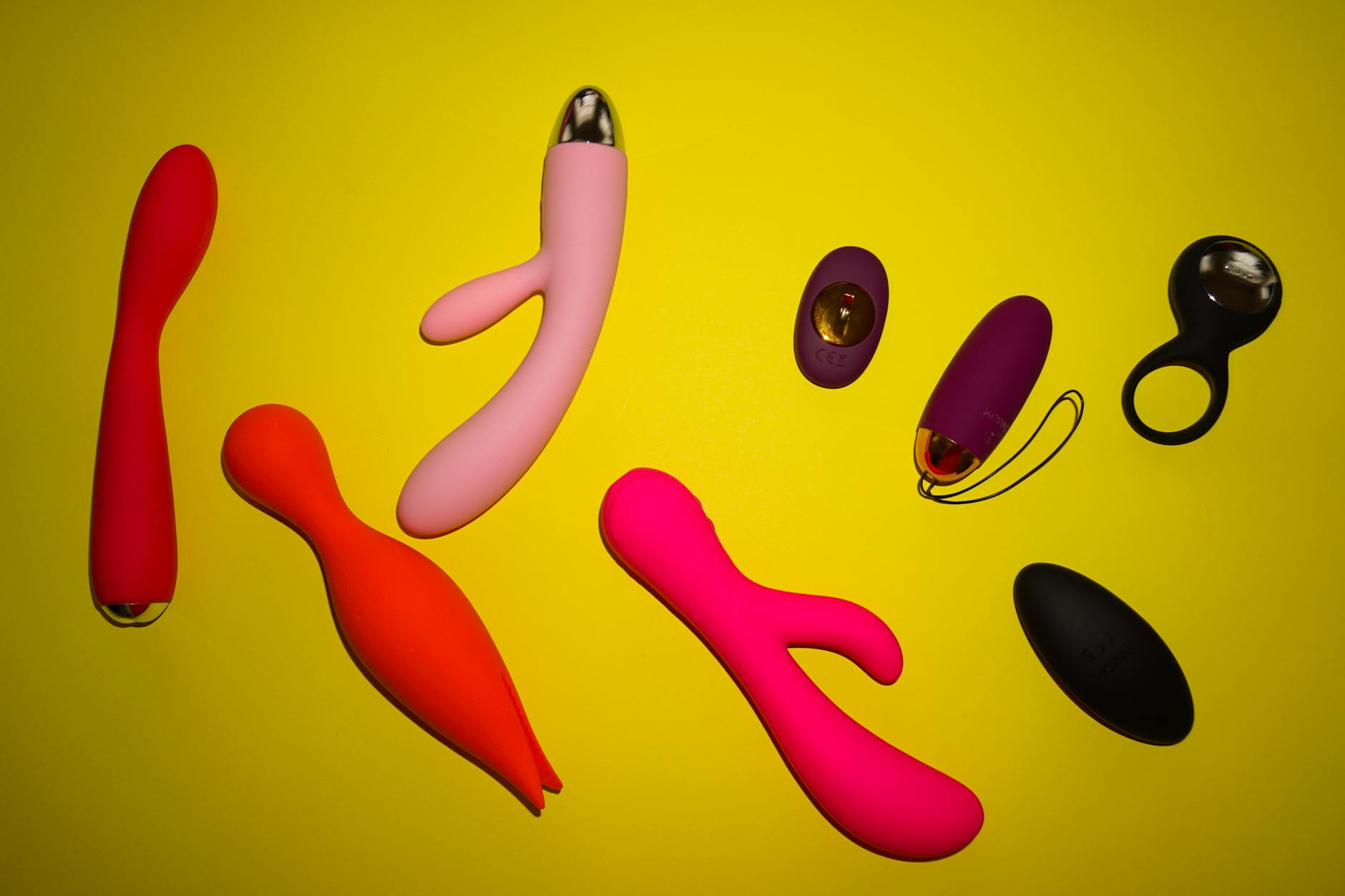
Photo by cottonbro studio on Pexels
Common timing issues the Lem solves
Three specific patterns I see with couples:
The Quick Finisher. One partner comes within minutes. The other could go for half an hour. Use the Lem on your partner while you're inside them. They get the stimulation they need. You get the depth and rhythm your body wants. Done.
The Slow Burner. The person with the vulva needs 20-30 minutes just to reach arousal, let alone orgasm. Instead of penetration alone, start with the Lem for 10-15 minutes before any penetration. They'll be much further along when you enter. The Lem can continue during. You're not waiting in silence. You're building together.
The Mixed Signals. One partner needs clitoral stimulation to come during partnered sex. The other person thinks that means they're "not enough." The Lem neutralizes that dynamic entirely. It's not competing with your partner. It's a shared tool. You both want her to feel good, so you use it.
When timing issues mask something deeper
Sometimes orgasm timing is just a logistical problem. Sometimes it's a symptom of something else: resentment about who initiates, stress in the relationship, medical issues, or medication side effects.
If you've tried using a lemon vibrator together and sex still feels tense or disconnected, that's worth naming. The Lem is brilliant for the mechanics of mismatched timing. It's not a fix for "we don't really want to have sex with each other anymore."
If that's where you are, that conversation needs to happen. Maybe with a therapist who specializes in couples. The Lem can't fix relational distance. But it can take one source of friction off the table so you can focus on what actually needs attention.
The pattern to try this week
Pick one session this week. Set aside 45 minutes with no phone, no rush. Start with foreplay that doesn't involve penetration. When the slower partner is clearly aroused and ready, introduce the Lem on a low setting. Let the faster partner hold it and explore placement. No pressure to come. Just notice what feels good.
Honestly, the first time might feel awkward or self-conscious. That's normal. You're learning a new rhythm together. By the third or fourth time, it usually feels natural.
Your bodies don't have to work the same way for sex to feel good. But they do need to work together. That's what the Lem does.
People also ask
Can we use a lemon vibrator if one partner finishes so fast they're done before we can start using it?
Absolutely. Have your faster partner use the Lem on you first, before penetration happens. Or use it on yourself while your partner is inside you. The tool doesn't care about the sequence. What matters is that clitoral stimulation is happening in a way that lets both bodies finish around the same timeline.
Will using a vibrator during sex make it harder for my partner to come without it?
Not typically. If anything, the reverse happens. When sex actually feels good instead of stressful, desire and responsiveness often increase. Some couples use the Lem sometimes and not other times. That's fine. The Lem is one option in your shared toolkit, not a requirement.
What if one partner feels insecure about needing the vibrator?
That's worth addressing directly. The conversation might sound like: "I don't feel insecure about using this. I feel better when we both get to finish without stress. That's what this is for. It's not about you being not enough. It's about both of us getting what we need." If that doesn't land, the insecurity might be about something else entirely, and that's worth exploring.
Should we use the Lem every single time we have sex?
No. You don't have to. Some couples use it most of the time because it works so well. Others use it occasionally. Use it when it serves you. The point is that you have the option and neither partner feels like anyone's waiting around frustrated.
How do I bring this up without hurting my partner's feelings?
Frame it as a "we" thing, not a "you" thing. "I've noticed our timing is different, and I want us both to actually feel good. What if we tried using something like the Lem together?" You're not saying they take too long or finish too fast. You're saying you want better sex for both of you. That's true regardless of timing differences.
Is this just for people with vulvas and penises? What about same-sex couples?
Orgasm timing differences happen in every couple configuration. Two people with vulvas might have very different arousal speeds. Two people with penises might come at wildly different rates. A lemon clitoral vibrator works for any partnership where one person wants clitoral stimulation alongside whatever else is happening. The mechanics don't care about gender. Timing is timing.
The bottom line
Orgasm timing mismatch isn't a relationship failure. It's a reality of being two different people in one bed. The Lem vibrator solves it not by making bodies the same, but by letting both partners get what they need simultaneously. Sex becomes less about waiting and more about connecting. That shift alone can change everything.