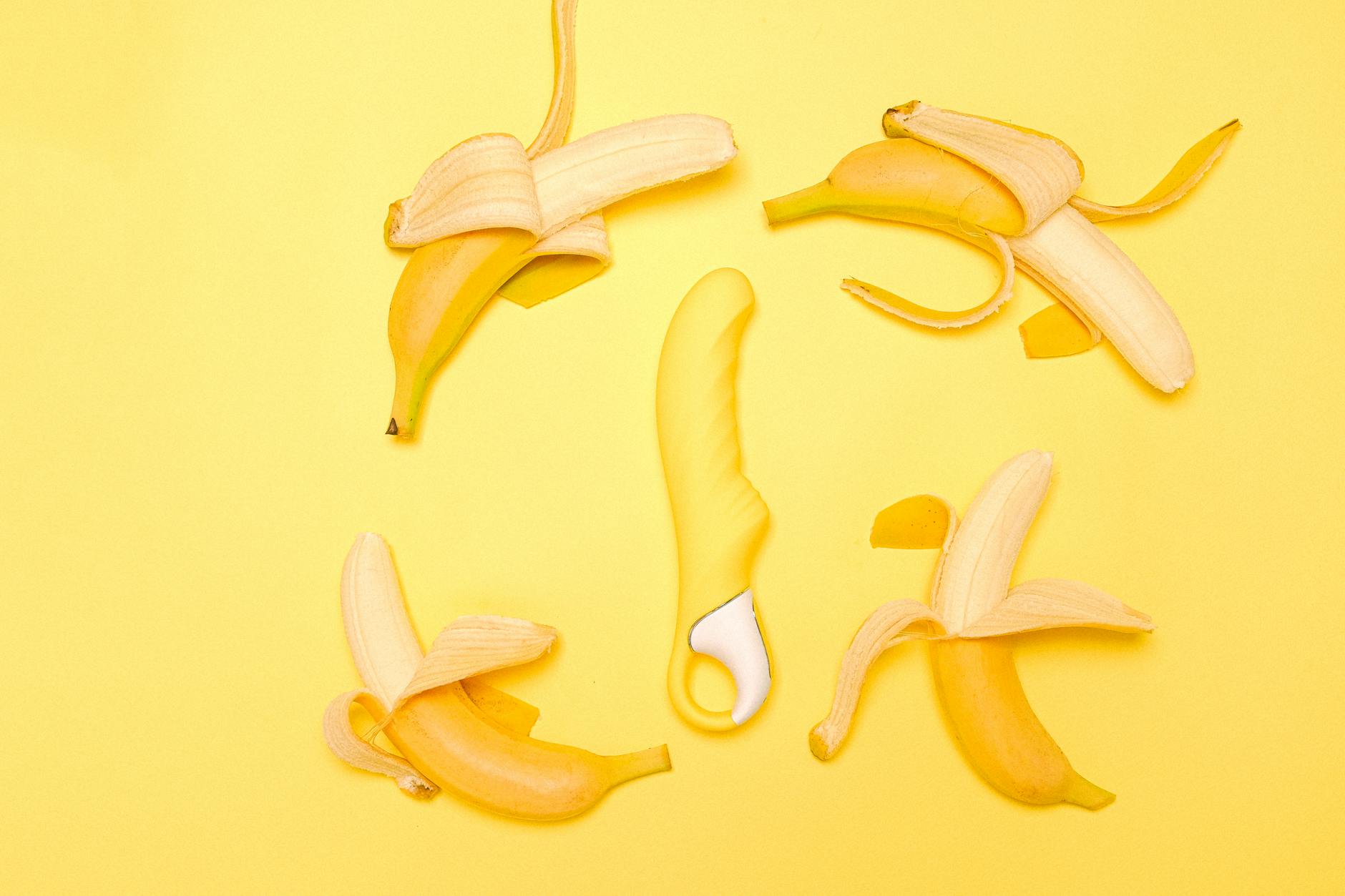
Let's be real about postpartum sensation
Your body just did something extraordinary. Your pelvic floor muscles stretched to accommodate a baby and then contracted to push them out. Even if you had a cesarean, your pelvic floor spent months under the weight of pregnancy. That takes a toll. And for the first few months or even longer, pleasure can feel distant, numb, or frankly nonexistent.
Here's the part nobody mentions clearly: this is temporary. But it's also not nothing. The sensation changes are real, and trying to rush back to pre-pregnancy pleasure using the same approach is like running a marathon a week after surgery. Smart recovery changes the timeline, but it also changes the experience.
A lemon clitoral vibrator, used thoughtfully, can help bridge that gap much faster than waiting alone.
What actually happens to your pelvic floor
Pregnancy and labor reshape the pelvic floor in several ways. The muscles stretch significantly. The tissue becomes irritated, especially if you tore or had an episiotomy. Sensation dulls because of swelling and inflammation. Hormones drop, which thins the vaginal tissue and reduces blood flow to the area. Nerve endings that were hyperactive during pregnancy suddenly quiet down.
The timeline looks roughly like this. Weeks 1-2: everything is sore and swollen. Weeks 3-8: slow reduction in pain, but sensation remains muted. Weeks 9-16: pelvic floor starts regaining tone, but sensitivity is still inconsistent. After 16 weeks: sensation usually begins returning to baseline, though some women notice persistent differences for months or even longer.
One thing bears repeating: this is not a failure of your body. This is your body healing.
Why a lemon vibrator works better than starting manually
Three reasons, backed by the experience of thousands of postpartum people.
Precision without pressure. The lemon clitoral vibrator delivers consistent, focused stimulation to the area that's most likely to respond safely: the external clitoris. Unlike manual touch, which requires a conscious level of pressure that's easy to misjudge when sensation is muted, a vibrator provides steady stimulus that doesn't depend on your hand's strength. You can't accidentally press too hard. The sensation builds gradually instead of spiking suddenly, which is gentler on healing tissue.
Reduced nerve fatigue. When sensation is dull, the temptation is to apply more pressure or more vigorous touch. That actually delays healing because you're irritating tissue that's still inflamed. A lemon sucker's air-pulse technology stimulates nerves without friction, which means you get response without micro-trauma. Think of it as waking up your nerve endings gently rather than jolting them awake.
Emotional permission. Something shifts psychologically when you use a tool rather than manual touch. It signals to your brain that this is intentional, safe recovery time. It also removes the performance pressure if a partner is involved. You're not waiting for them to touch you right. You're actively participating in your own healing.
Timeline for reintroducing pleasure
Check with your midwife or obstetrician first. If you had significant tearing or if you're experiencing persistent pain, get clearance before proceeding. That said, most healthcare providers give a green light around six weeks postpartum if pain has subsided and bleeding has stopped.
Weeks 6-8 postpartum: Solo exploration only. Use the lemon vibrator on the lowest setting for no more than five minutes. The goal is gentle sensation, not orgasm. You're teaching your body that pleasure is safe again. Many people report feeling nothing the first few times. That's normal. Keep going.
Weeks 9-12 postpartum: Increase to medium settings. Extend sessions to 10-15 minutes. If you're beginning to feel arousal, that's progress. Some people experience orgasm for the first time in weeks here. Others don't. Both are fine.
Weeks 13 and beyond: You can gradually increase intensity and experiment with longer sessions. Some people discover that their body feels different now—arousal might take longer, or sensation might feel more localized. A lemon clitoral vibrator is actually ideal for this because the air-suction design is less intense than traditional vibrators while still being highly effective.
Practical setup for safe recovery
Environment matters. You want privacy, time, and zero pressure. Not immediately after feeding or when the baby is due to wake. A few minutes to yourself without mental load is the baseline.
Lubrication is essential. Even if you're six weeks postpartum and bleeding has stopped, the tissue is still thinner than pre-pregnancy. Water-based lubricant (compatible with all Hello Nancy's Savo Shop toys) is non-negotiable. Apply generously. You're not trying to minimize sensation; you're creating the conditions for safe, comfortable stimulation.
Start with the lowest setting on your lemon vibrator. The Lem's design is perfect for this because the intensity levels are graduated. You can keep the vibrator in place against the clitoris or use gentle stroking motions. There's no one right way. Let your body guide you.
If you feel pain, stop immediately. Pain is information. Pressure, achiness, or pulling sensations mean the tissue isn't ready yet. Tingling, numbness, or mild discomfort during the first minute that softens is usually fine. Learn the difference.
Navigating postpartum desire with a partner
If you have a partner, this conversation needs to happen outside the bedroom. Not before sex, but during a calm moment where there's zero expectation of intimacy. Something like: "My body is healing. It's going to take time. I want to reconnect with pleasure, but on a different timeline than before. I'm going to use a vibrator to help with that. I'd love your patience."
That conversation does two things. It sets expectations realistically. And it positions you as active in your own recovery rather than as a problem to be solved.
When you're ready to include a partner, the lemon vibrator actually simplifies things. You can use it on yourself while they're present. You can have them apply it with you guiding pressure and speed. Or you can use it solo and let them know afterward that you're feeling more connected. There's no single right answer.
One warning: postpartum libido is often suppressed by hormones, exhaustion, and the constant sensory demands of a new baby. A lemon clitoral vibrator can help with sensation and responsiveness. It cannot force desire that isn't there. If desire is absent entirely, that's usually a resource issue (sleep, mood, stress) rather than a physical issue. Addressing those takes priority.
When to see someone
If pain persists beyond four months postpartum or worsens, you might have pelvic floor dysfunction. A pelvic floor physical therapist can assess and treat this specifically. They're trained in postpartum recovery and can show you targeted exercises that accelerate healing.
If sensation hasn't returned at all by six months postpartum, mention it to your doctor. Sometimes nerve compression or scar tissue requires more direct intervention. It's treatable, but it needs assessment.
If depression or anxiety is present alongside low desire, that's a separate issue. The vibrator will still work when you're ready, but the underlying emotional state needs attention too. There's no shame in asking for help here.
The permission piece
Your pleasure matters, even (especially) postpartum. Using a lemon clitoral vibrator isn't selfish. It's active recovery. It's reconnecting with your own body at a pace that makes sense for you. It's a signal to yourself that you're more than a milk supply or a caregiver. You're a person who deserves sensation and satisfaction.
That's not a nice idea. It's a practical necessity for healing. Your nervous system needs to know it's safe again. Your pelvic floor needs gentle, consistent stimulation to regain tone and sensitivity. And your mind needs permission to reclaim pleasure after months of postponement.
A lemon vibrator, used thoughtfully and patiently, does that work beautifully.
Frequently asked questions
Can I use a lemon vibrator if I had an episiotomy or tear?
Yes, but wait for your medical clearance and start gentle. If you had stitches, wait until they've fully dissolved and any swelling has reduced significantly. This typically means 8-10 weeks rather than 6. Once cleared, the lemon clitoral vibrator's air-pulse technology is actually gentler than traditional vibrators because it doesn't rely on friction.
What if I feel nothing when I use it?
Completely normal, especially in the first few weeks. Sensation takes time to return. Keep using it at intervals (a few times per week) without expectation of pleasure. You're retraining your nervous system. Some people report a sudden shift where sensation returns after weeks of nothing. Others notice gradual improvement. Both patterns are fine.
Is it safe to use a lemon vibrator if I'm breastfeeding?
Yes. There's zero evidence that vibrator use affects milk production or composition. The only caution is about your own recovery. If breastfeeding is exhausting you and collapsing your desire, rest and feeding support address that faster than any toy will.
My partner wants to resume sex, but I'm not ready. What do I do?
Use your words. "I need more time" is complete. You don't need to explain that you're using a vibrator or that sensation is still muted. But it helps your partner understand that you're in recovery mode, not rejection mode. A lemon vibrator can be part of that conversation as a sign that you're reconnecting with pleasure on your timeline.
How often should I use the lemon vibrator postpartum?
Start with 2-3 times per week. As sensation returns and you feel more comfortable, frequency can increase. There's no requirement to use it every day. Listen to your body. If an area feels irritated the next day, you've overdone it.
Does using a vibrator delay pelvic floor healing?
No. In fact, gentle stimulation supports healing by increasing blood flow and encouraging nerve regeneration. Aggressive use could irritate tissue, but thoughtful, low-intensity use accelerates recovery.
You're not behind
Postpartum recovery is long. Your pelvic floor changed. Your sensation shifted. Your desire might be somewhere between zero and pre-pregnancy. That's not a setback. That's information about where you are right now. And from here, a lemon vibrator can help you move forward at a pace that feels safe and real. If you have specific questions about your recovery or want to chat through what pleasure might look like for you postpartum, reach out to Hello Nancy's Savo Shop. We're here to help you reconnect on your terms.