
When depression steals your desire
Let's be real. Depression doesn't just make you sad. It numbs you. Your libido vanishes, your body feels like it belongs to someone else, and the things that used to spark joy feel flat and pointless. If you've been here, you already know that "just relax" or "have more sex" are the least helpful suggestions anyone could offer.
The flattening of desire during depression is neurological. Your brain's reward system shuts down. Dopamine and serotonin tank. That's not laziness, and it's not a reflection on your partner or your relationship. It's depression doing what depression does.
But here's what matters: rebuilding desire after depression is possible. It's not about forcing yourself back into old patterns. It's about gently rewiring your pleasure response, one small sensation at a time. And for many people, a lemon vibrator becomes part of that toolkit.
How depression changes your relationship with pleasure
When you're depressed, touch feels different. Sometimes it feels like nothing. Sometimes it feels like too much. Your nervous system is dysregulated. Your body has learned to protect itself by going numb.
This matters because shame often shows up here too. You might feel guilty for not wanting sex, embarrassed to tell your partner, or worried that you've broken something that won't heal. You haven't. Your body is responding appropriately to what your brain is going through.
One thing I tell my clients: pleasure is trainable. Your brain isn't permanently stuck in this flat place. But you have to approach rebuilding it like physical therapy, not punishment. Small doses. Gentle. Solo first, often.
Why solo exploration is the first step
When desire is low, adding performance pressure makes it worse. If you're trying to rebuild with a partner watching, waiting, or hoping you'll "get back to normal," your nervous system stays in protection mode.
Solo time is different. It removes the expectation. You're not trying to orgasm or perform. You're just noticing what your body can feel when there's no one else in the room.
This is where a lemon vibrator comes in. It's precise. A clitoral vibrator like the Lem gives you consistent, targeted stimulation without the variability that can feel overwhelming when you're already scattered. You choose the pattern, the intensity, the pace. You stay in control.
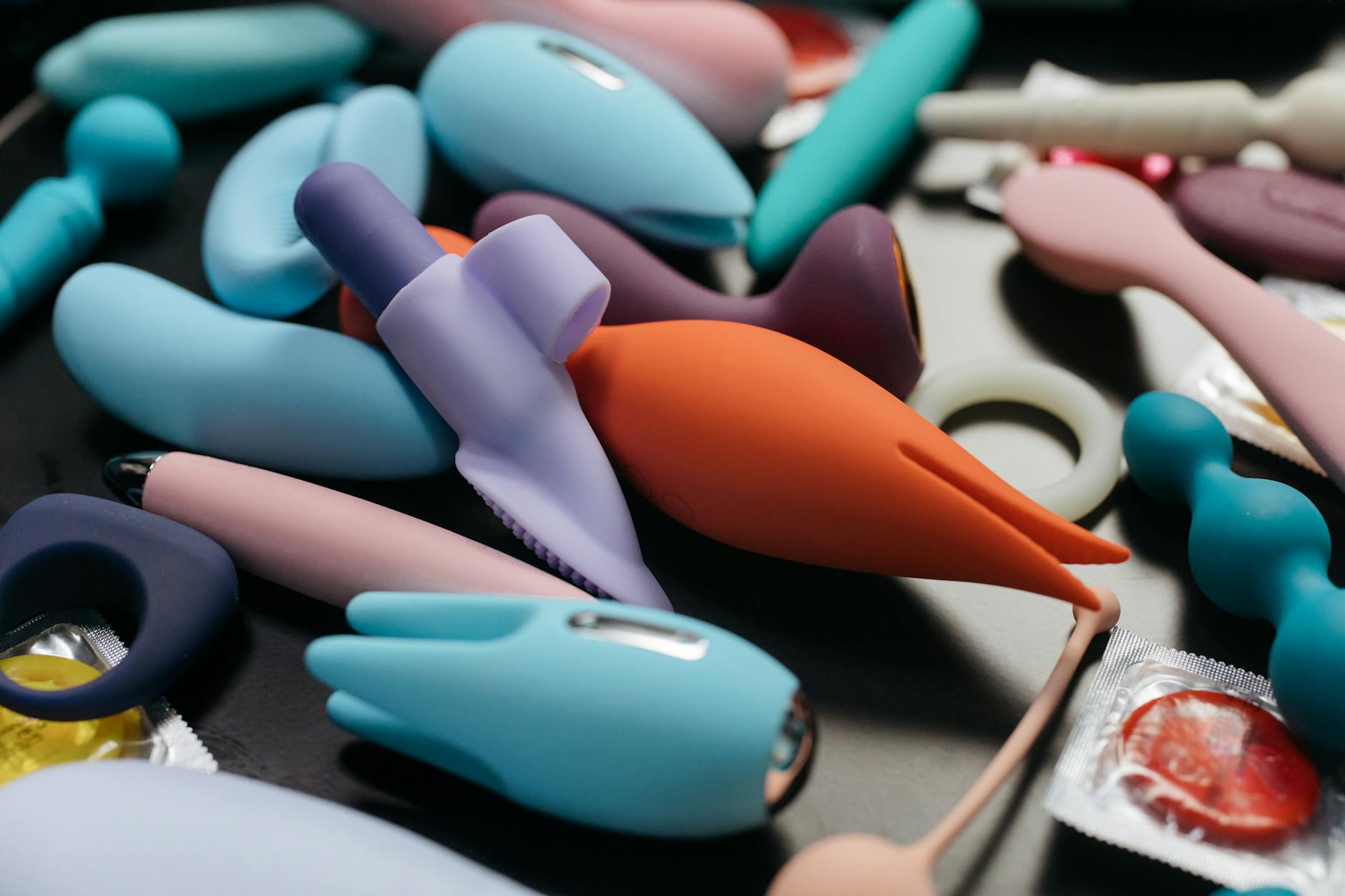
Photo by cottonbro studio on Pexels
Starting with a lemon clitoral vibrator when desire feels far away
The beauty of a lemon sucker vibrator is that it doesn't require arousal to feel something. That matters when your baseline is numb.
Here's how to start:
Pick a low-pressure time. Not when you "should" be having sex. Not when you're tired or freshly stressed. Pick a moment when you have twenty minutes alone and you're just slightly above baseline. That's all.
Start with the lowest intensity. The Lem vibrator comes with multiple patterns. Begin on pattern 1 or 2. Your nervous system is sensitive right now. What feels pleasant at low intensity might feel jarring at high.
Don't chase an orgasm. I mean this seriously. Many people come out of depression and use pleasure like a test: "Am I better? Can I still come?" That pressure often makes numbness worse. Instead, go for sensation. Can you feel the vibration? Does it feel good, neutral, or uncomfortable? That's the win.
Keep sessions short. Five to ten minutes is plenty. If you feel present and a little curious at the end, that's success. You're rewiring your brain to associate pleasure with safety, not pressure.
What to expect in the first weeks
You might feel nothing. You might feel something, then nothing, then something again. This inconsistency is normal and doesn't mean you're broken. Your nervous system is learning to turn back on.
You might also notice that arousal looks different now. Maybe you need to be horizontal, or in a specific room, or at a certain time. Maybe you need to think about something specific. These aren't problems. They're just new information about what your body needs.
Some people describe the first week of solo pleasure as "permission." Not permission to have sex. Permission to touch themselves without guilt, without performance, without the weight of someone else's needs. That permission alone can shift something.
Rebuilding desire with a partner
Once you've spent a few weeks exploring solo, the conversation with your partner shifts. You're not trying to be "normal" again. You're inviting them into the process.
This is a good time to talk about what you've learned. "I noticed that low intensity feels better than high." "I need ten minutes of just touching before anything else." "Sometimes I feel present, and sometimes I don't, and that's okay."
Some couples find that using a lemon vibrator together is a relief because it removes the pressure for them too. If your partner has been feeling like they need to do something to fix the depression through sex, a clitoral vibrator gives everyone permission to step back.
You might use it solo while they're near you, building comfort with your pleasure. You might use it together, with them watching or touching you elsewhere. There's no script. The point is that you're collaborating instead of performing.
The role of consistency (and self-compassion)
Pleasure needs consistency to rewire your nervous system. That doesn't mean every day. It means regular. Two or three times a week. For at least a few weeks.
But consistency also means being gentle when you miss days or weeks. Depression will have setbacks. Your desire won't move in a straight line. Some weeks you'll feel alive, other weeks you'll flatline again. Using a lemon vibrator isn't a cure for depression. It's one tool alongside therapy, medication, sleep, movement, whatever else is helping.
If you notice yourself using pleasure to numb instead of to feel, that's worth checking in about. The goal isn't to trade one form of numbness for another.
When to bring your therapist in
If desire stays completely flat for more than a few weeks of gentle exploration, or if touching yourself triggers anxiety or shame, talk to your therapist or doctor. Sometimes the depression needs other interventions first. Sometimes there's trauma or a medication side effect that needs attention.
I also recommend being honest with your doctor about which antidepressants you're on. Some flatten desire more than others. It's worth asking if there's an alternative that might give you more sensation without sacrificing your mental health.
The rebuild is not linear, and that's okay
Rebounding from depression is not about getting back to who you were. It's about learning who you are now. Your desire might look different. Your pleasure might be quieter, slower, more selective. That's not less. It's just different.
A lemon vibrator is just one piece of that. It's a tool that says: your pleasure matters. Your body matters. Reconnecting with sensation is worth the time and patience. And you deserve to feel good again.
People also ask
Can a lemon vibrator help if I'm still on antidepressants?
Yes. Many antidepressants do dull sensation, and a clitoral vibrator's consistent, targeted stimulation can help you feel something when numbness is still present. That said, if a specific medication is flattening desire significantly, it's worth talking to your prescriber about whether alternatives exist. Using a lemon sucker vibrator isn't a workaround for a medication problem. It's a tool you can use while you figure out the bigger picture.
How do I know the difference between depression-related numbness and just low desire?
Depression numbness usually feels like flatness across everything. You don't want sex, but you also don't want the things you usually enjoy. Low desire by itself is usually more specific. You might have zero interest in partnered sex but still be curious about solo exploration. If nothing feels good anymore, that's more likely depression. If it's specifically about intimacy or your body, it could be either. Talking to a therapist helps you untangle the difference.
What if my partner thinks using a vibrator means they're not enough?
This is real, and it deserves a real conversation. Depression made you numb to them too. A lemon vibrator isn't about them being inadequate. It's about your nervous system needing a reset. Some partners feel relieved because they've been carrying the weight of trying to fix your pleasure on their own. Others need reassurance. The conversation might sound like: "This isn't about you. This is about me learning to feel again. I'd love for you to be part of that." And if they're not ready, that's also information worth sitting with together.
How long does it take to rebuild desire after depression?
There's no timeline. For some people, a few weeks of gentle exploration shifts something. For others, it takes months. It depends on how long you were depressed, whether you're still depressed, what else is supporting your recovery, and your own nervous system's pace. If you're making any progress at all, you're doing well. Progress isn't a straight line upward. It's more like a slow spiral, with good weeks and harder weeks.
Is it normal to not orgasm when rebuilding desire?
Completely normal. Orgasm isn't the goal when you're rebuilding. Presence is the goal. If you feel something, if you notice pleasure, if you're present in your body for ten minutes, that's a win. Orgasm might come back tomorrow or in six months. Forcing it usually makes numbness worse. Let it emerge naturally as your nervous system settles.
Should I tell my therapist I'm using a vibrator to rebuild desire?
Yes. Your therapist should know what tools you're using to support your recovery. If they respond with judgment, that's a sign they might not be the right fit for where you are right now. A good therapist sees sexual pleasure and self-exploration as legitimate parts of healing from depression. They might even suggest it.
You're not broken, and neither is your desire
Depression is a liar that tells you pleasure is gone forever. It's not. Your desire is sleeping, not dead. And with time, gentleness, and the right tools, it can wake up again. A lemon vibrator is just one part of that waking. The bigger part is you, showing up for yourself, day by day, with patience and without shame.
If you're feeling ready to explore, Hello Nancy's Savo Shop has resources and products designed for exactly this kind of gentle, judgment-free reconnection. And if you have questions about next steps, reach out to our team at /contact. We're here.