Let's be honest about numbness after trauma
Trauma locks your body down. The nervous system, trying to protect you, essentially puts pleasure on the back shelf. Touch that should feel good registers as nothing. Sometimes it feels like static. Sometimes it triggers the old fear all over again. And the frustration of that silence in your own body? That's real, and it's not your fault.
Recovering sensation after trauma isn't about pushing through or forcing orgasms. It's about slowly, safely teaching your nervous system that pleasure is possible again. A lemon clitoral vibrator can be part of that conversation. But only if you approach it with patience, boundaries, and zero expectation of outcome.
Why numbness happens after trauma
When you experience sexual trauma, your brain essentially disconnects you from sensation as a survival tactic. This dissociation kept you safe then. The problem is it often stays in place long after the danger has passed. The body remembers, and it stays guarded.
Numbness can also show up differently depending on your nervous system. Some people describe it as complete absence. Others say sensation is there but feels muffled, like they're touching themselves through a thick glove. Still others experience numbness in patches. The specifics vary, but the core issue is the same: your body has learned not to feel.
This is treatable. Sensation can come back. But it takes time, and it requires working with your own nervous system rather than against it.
Why a lemon clitoral vibrator is different from other toys
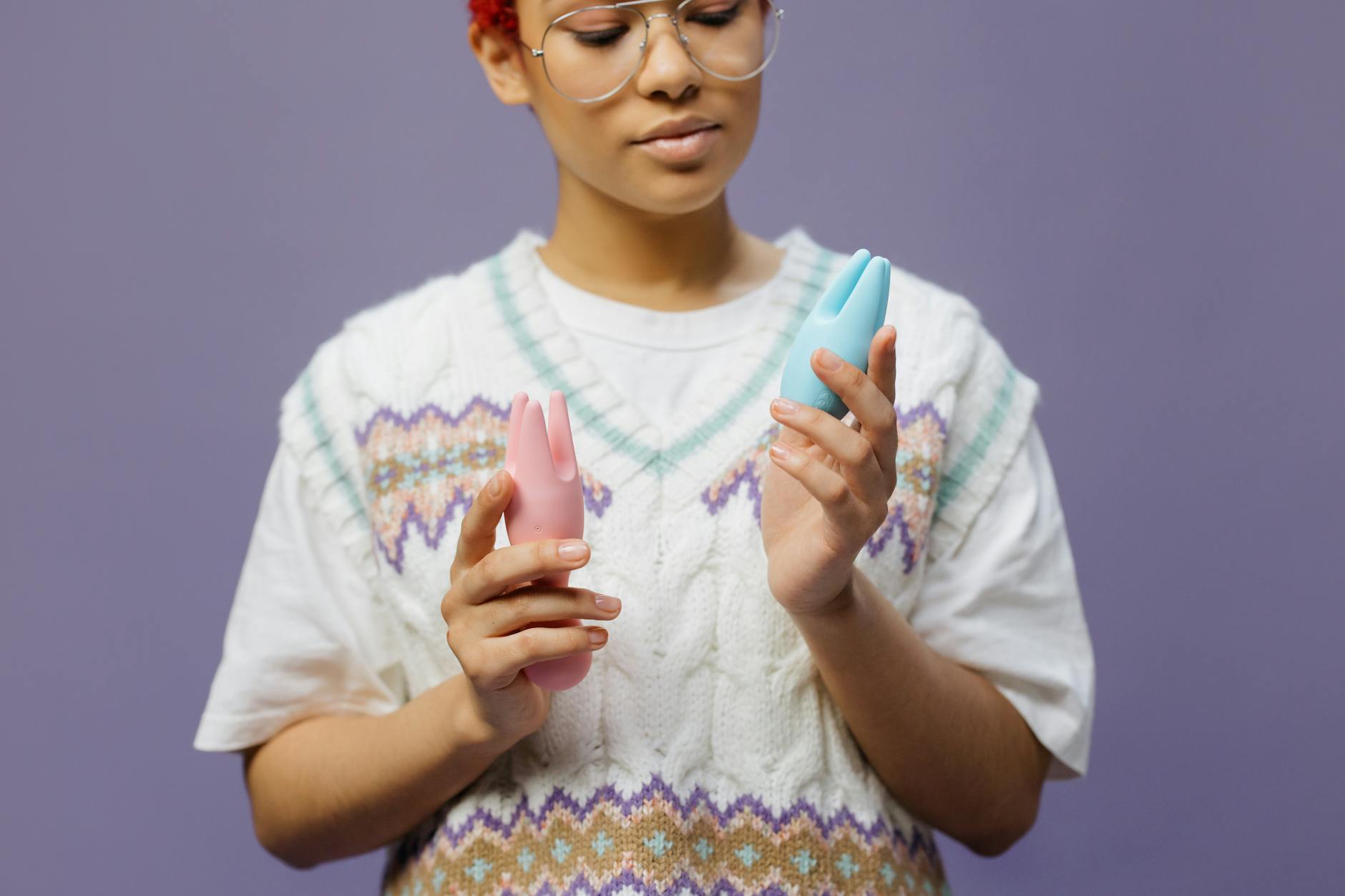
Most vibrators rely on direct friction or intense buzzing. For someone rebuilding sensitivity after trauma, that intensity can be overwhelming or even triggering. The lemon vibrator (sometimes called a lemon sucker) uses gentle suction patterns instead. Suction engages the clitoris differently than vibration does. It's less piercing, less demanding, less about forcing a response.
Here's what matters: with suction, you're not chasing sensation through pressure. You're inviting it through rhythmic, predictable pulses. For a nervous system in recovery, predictability is safety. The Hello Nancy lemon vibrator starts at lower intensity levels, giving you control. That control is the whole point.
Starting with your nervous system, not your body
Before you even hold a toy, you need a conversation with yourself about safety. This isn't abstract. Trauma survivors often feel pressure to "get over it" by performing normalcy. That's not what we're doing here.
Three things to establish first:
1. A true "no" space. You need complete certainty that you can stop, pause, or put the toy down at any moment without explanation or guilt. Build this into your ritual. I often tell clients: "Your only job is to notice what you notice. If that's nothing, that's information, not failure."
2. A safe environment. Privacy is obvious. But also: privacy you can trust. If there's any chance of interruption or judgment, your nervous system will stay locked. Locked is the opposite of what we want.
3. A grounding anchor. Before you touch yourself, choose something to come back to if you feel triggered. It might be your breath. It might be pressing your feet into the floor. It might be holding a weighted blanket. Pick it in advance so your brain doesn't have to search for safety mid-session.
How to begin: the first few sessions
Session one is not about using the toy. Session one is about familiarizing yourself with it without pressure.
Hold the lemon vibrator. Look at it. Feel the weight. Read the buttons. Turn it on at the lowest setting (pattern 1 on most Hello Nancy toys) without touching it to your body. Notice what you feel. Relief? Anxiety? Curiosity? Skepticism? All of those are valid. None of them predict what will happen later.
If that's enough for day one, stop there.
On day two or three, you might place it against your inner thigh or your hip bone. Not your clitoris yet. Just somewhere neutral. Get your body used to the sensation of the toy without the performance pressure of genital touch.
This isn't slow in a boring way. It's slow in a nervous-system-respecting way. You're literally retraining your brain to accept sensation as safe. That takes time.
The actual technique when you're ready
When you decide to touch the toy to your clitoris, here's what matters:
Start with the lowest pattern and lowest intensity. The lemon clitoral vibrator has multiple speeds and patterns specifically so you can find what feels manageable. Manageable is different from pleasurable at first. Manageable is the goal.
Use a water-based lubricant even if you generate natural lubrication. This isn't about dryness. It's about reducing friction and creating a buffer between the toy and your body. That buffer signals safety to your nervous system.
Keep sessions short. Five to ten minutes is plenty. You're teaching your body that touch is okay, not trying to build stamina. If you notice nothing, that's fine. If you notice the tiniest spark of sensation, that's huge progress. Both deserve equal celebration.
Some trauma survivors find it helpful to use the toy clothed, with the vibrator moving against your vulva through fabric. That extra layer of distance can make all the difference in early recovery.
When to pause if something feels wrong
Numbness is not the same as a trigger response. A trigger response involves anxiety, flashbacks, or the physical sensation of the body shutting down in fear. Numbness is absence. Triggers are the opposite: presence of old survival patterns.
If you feel triggered during a session, stop immediately. This isn't failure. This is your nervous system telling you something real. There's no prize for pushing through.
Write down what happened. What was the context? What pattern were you using? How were you positioned? What sounds or sensations were present? These details matter because they help you understand what your nervous system is protecting you from. Sometimes it's sensible. Sometimes it's a false alarm. Either way, knowing the pattern helps.
If triggers are consistent, working with a trauma-informed therapist alongside this physical exploration is essential. A vibrator is a tool. Therapy is the foundation.
Building sensation back over weeks and months
Sensation recovery after trauma is not linear. You might feel progress, then feel numb again. Both are normal. Progress isn't a straight line. It's a spiral.
After a few weeks of sessions with the lemon vibrator, you might notice:
Tiny flickers of sensation where there was nothing. A warmth. A pulse. A change in how the suction feels. These micromovements are everything. They're proof that your nervous system is beginning to trust touch again.
Some people notice sensation returns first in specific patterns. Maybe pattern 3 feels safer than pattern 1. Maybe slow pulse feels possible but fast vibration doesn't. Your body is giving you information. Listen to it.
There's also no timeline for this. I've worked with clients who felt the first real sensation after two weeks. I've worked with others who took six months. Both are healing. Neither is slow.
The role of your partner (if you have one)
If you're in a relationship, your partner's role is witness and support, not participant in this early phase. Many trauma survivors feel pressure to include partners in recovery because it seems like the generous, relationship-focused thing to do. It's actually the opposite.
Right now, your pleasure is for you. Not for proof, not for reassurance, not for his or her or their comfort. For you. That boundary often takes time to build. The conversation itself might be tricky. It's worth having.
Once sensation begins returning and you're more grounded, partnered exploration is possible. But not yet.
FAQ
Can I use a lemon vibrator if I have PTSD?
Yes, but with support. A lemon clitoral vibrator is gentle and gives you control, which helps. PTSD and sexual trauma often overlap. The key is pairing the tool with therapy. A trauma-informed sex therapist can help you navigate the specific triggers your nervous system holds. The vibrator alone isn't the fix. The vibrator plus professional support is the pathway.
What if I feel nothing after several sessions?
Numbness is sometimes trauma's way of protecting you. If sensation isn't returning after 4-6 weeks of consistent, patient use, that's information, not failure. It might mean your nervous system needs a different approach. It might mean you need a therapist before or alongside the vibrator. It might mean a lower-intensity tool. None of these outcomes means you're broken.
Is it normal to feel triggered while using a lemon vibrator?
Yes. Clitoral touch can sometimes activate old survival responses, especially if touch was part of the trauma. If this happens consistently, stop using the toy that way. You might try using it on other areas of your body. Or you might need to work with a therapist before reintroducing genital touch. Pushing through a trigger isn't brave. It's retraumatizing.
Should I use a vibrator if I'm still in the early stages of trauma recovery?
It depends on where you are in your healing journey. If you're actively in crisis or your nervous system is very fragile, a vibrator might be too much stimulation. If you're a few months into therapy and feeling more grounded, a gentle tool like a lemon sucker might be useful. Ask your therapist. They know your history.
Can I use a lemon vibrator with a partner after trauma?
Absolutely, but timing matters. When you've rebuilt some sensation and confidence on your own, partnered use becomes possible. Communication is everything. Tell your partner exactly what you need. Tell them patterns to avoid. Tell them what safety looks like. And check in afterward. Recovery isn't linear, and what felt okay one day might feel different the next.
What if my numbness is from medication, not trauma?
Numbness has lots of sources. Medication (especially SSRIs), hormonal changes, medical conditions, and yes, trauma. If you're on medication, that's absolutely worth discussing with your prescriber. Sometimes switching medications or adjusting dosage helps. A lemon vibrator might still help by creating different sensations, but the underlying cause matters. Talk to your doctor.
Moving forward at your own pace
Recovery from trauma is not about returning to who you were before. You can't. It's about building something new with the person you are now, with your nervous system as it is, and with patience for the process.
A lemon clitoral vibrator is a tool in that process. Not the solution. Not the answer. A tool. Your nervous system is the expert. Your body is the guide. A vibrator just helps you listen more clearly.
Sensation can come back. Pleasure can come back. Trust in your own body can come back. It takes time. It takes support. And it's absolutely worth the wait.
If you're struggling with this process and need guidance, reach out. Recovery doesn't have to be solo.