Let's talk about the gap
Years without. Maybe it was grief, maybe it was medical, maybe it was relationship strain or depression or just the weight of everything else. Your body and brain have learned to live without this part of yourself. And now you're thinking about coming back to it. That's brave, and it's also normal to feel stuck.
Here's what nobody tells you: reentry isn't the same as starting fresh. You're not a beginner. You're someone who's had pleasure before, and your nervous system remembers that loss. That changes everything about how to approach it.
Why the gap changes your body's baseline
When you step away from sexual pleasure for months or years, three things happen physiologically. First, your brain's reward circuitry gets quieter. Dopamine patterns around sexuality reorganize. Second, your pelvic floor muscles tense differently under disuse. They're not weak exactly, but they've settled into a different holding pattern. Third, your skin literally becomes less sensitive in erogenous zones because nerve endings aren't being regularly stimulated.
None of this is permanent. All of it is reversible. But walking back into pleasure means meeting yourself where you actually are, not where you were before the gap.
This is why a lemon clitoral vibrator works so well for people returning to pleasure. You're not asking your body to rediscover sensitivity through friction or pressure. You're using gentle suction technology to reawaken nerve pathways without the intensity that can feel jarring after a long break.
The mental part is heavier than the physical part
Your nervous system has formed an association: no touch equals safe. Reintroducing pleasure means asking your body to shift that. Some people feel guilt ("I don't deserve this"). Some feel fear ("What if I've lost this entirely?"). Some feel numbness ("I don't even know if I want this anymore"). All of these are normal, and all of them ease with patience.
The first few sessions aren't about reaching a destination. They're about showing your nervous system that touch is safe again. This is why I recommend starting with just five minutes. No expectation of orgasm. No pressure to "perform." Just touch and curiosity.
How to actually restart
Session one is about permission. Set aside time when you won't be interrupted. Take a bath if you want, or just sit somewhere you feel comfortable. Use lube. Water-based works best for lemon vibrators. Apply the lube to your vulva and to the toy itself. Start with the lemon vibrator on the lowest setting, maybe pattern 1 or 2. Spend two to three minutes just getting used to the sensation. Your job is literally just noticing. Where does it feel nice? Where is it too much? This information is valuable. You're rebuilding the map.
Sessions two and three: increase to seven or eight minutes. You can explore slightly higher patterns if lower ones felt boring, but boring is fine. Boring is safe. You're training your nervous system that this feels good and nothing bad happens.
Sessions four through six: you can start to notice what patterns your body leans toward. Most people returning to pleasure find that mid-range patterns feel best. Too light feels like nothing. Too intense feels overwhelming. This sweet spot is individual. Spend these sessions finding yours.
Through this whole progression, do not aim for orgasm. I know that sounds strange. But when you've been away from pleasure, the pressure to prove you still "work" sexually can trigger your nervous system right back into protection mode. Orgasm will come. Your first one after a gap might be smaller or different than you remember. That's okay. It's a beginning, not a statement about your capacity.
What you're actually retraining
When I work with people rebuilding intimacy, I think of it as retraining attention. For years, you've been training your attention away from your own pleasure. Now you're retraining it back. This takes time. It's not a character flaw. It's neural architecture.
That means your mind will wander. You'll think about laundry, emails, your body shape. This is not failure. Notice it, gently bring your attention back to the sensation in your vulva, and keep going. This is the work. This is the rewiring.
Many people also find that the first few orgasms after a long gap feel incomplete or different. Your brain expects one thing and your body delivers something slightly different. This is temporary. As you practice, your nervous system and body come back into sync.
Partner context if you're rebuilding together
If your gap happened within a partnership and you're both trying to return to intimacy, solo pleasure sessions are still the foundation. You alone, rebuilding your own signals and responses. Many couples make the mistake of jumping straight back to partnered sex before one or both partners have reestablished their own pleasure baseline. That pressure kills the process.
Once you've done your solo work for three to four weeks, you can gradually invite your partner to witness or participate. But that's a different conversation for a different moment. For now, this is about you and your own body coming back into conversation.

Photo by Ihsan Adityawarman on Pexels
The lemon vibrator advantage for reentry
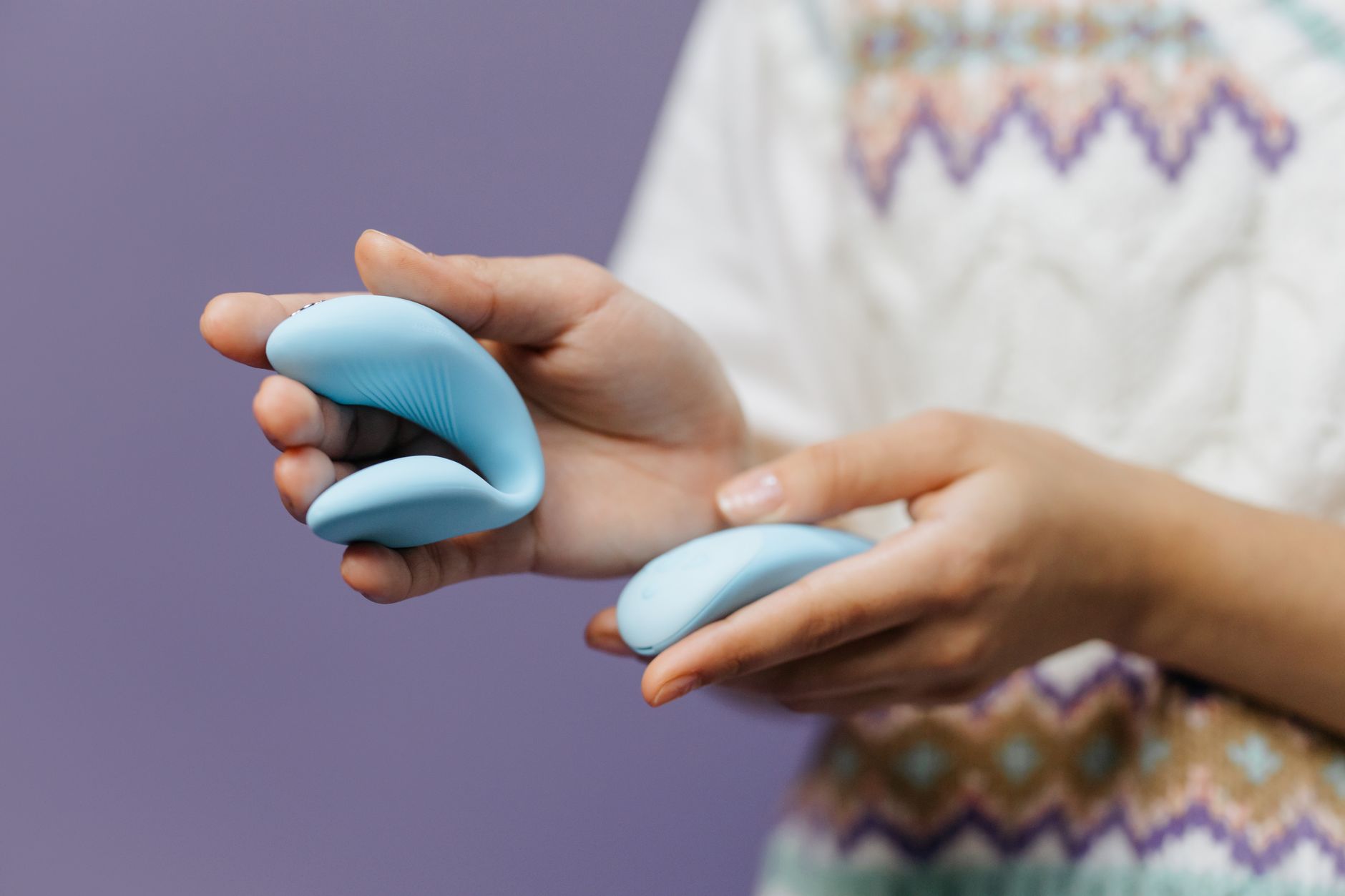
Why specifically a lemon vibrator like the Lem? Because the suction technology mimics the most pleasurable sensation for most people, but without requiring you to build up arousal first. Direct stimulation with a wand might feel overwhelming after years away. Penetration might feel vulnerable. A lemon clitoral vibrator meets you somewhere in the middle. It's gentle enough for nervousness and effective enough that you'll feel genuine sensation. That matters when you're rebuilding trust in your own body.
The size also helps. A smaller toy feels less intimidating than some options. It's easier to control, easier to experiment with patterns and positions, and it fits into a routine without a lot of ceremony.
The timeline is longer than you think it should be
If you've been away for two to three years, expect six to eight weeks of regular practice before pleasure starts to feel familiar again. If it's been longer, give yourself three to four months. This isn't a shortcoming. This is realistic. Your nervous system has learned a whole new set of patterns. You're rewriting them.
There will be sessions where nothing happens and you feel frustrated. That's part of it. There will be sessions where sensation surprises you and feels amazing. Those come too. The goal is consistency, not intensity. Three times a week is better than one frantic marathon session once a month.
If after eight weeks you're still feeling mostly numb or disconnected, that's worth mentioning to a doctor. Medication, hormonal changes, or other health shifts can affect sensation. So can unresolved trauma. There's no shame in that conversation. It just gives you better information about what kind of support you need.
You're not broken. You're rebuilding.
Years away from pleasure don't erase your capacity for it. They just add a gap you have to bridge. That bridge is built one small session at a time, with patience and without judgment. A lemon vibrator is a tool that makes that bridge shorter. It works with your nervous system, not against it.
Start small. Stay consistent. Trust that your body remembers how to feel good. Because it does.
People also ask
How long does it take to feel normal pleasure again after a long break?
Most people notice a shift in sensitivity and comfort within four to six weeks of regular practice. "Normal" varies though. Some people find their pleasure response feels the same as before. Others discover it's actually richer or different. That's not worse, just different. If you're past eight weeks and still feel almost nothing, check in with a healthcare provider. Sometimes there's a medical component worth addressing.
Can I use a lemon vibrator if I haven't been touched in years and feel scared?
Yes, and actually the fear usually eases faster with a toy than without one. A vibrator doesn't require eye contact, negotiation, or reciprocal pleasure. You're completely in control of pattern, duration, and pressure. Many people find that removes the emotional weight that can trigger old nervous system patterns. Start with the lowest setting. Two minutes counts as a session. You're not trying to prove anything.
What if my reentry plan triggers anxiety?
Stop, step back, and try again in a few days. Anxiety after a pleasure break often means your nervous system is learning that touch is safe, and it needs time to process. If anxiety is severe or comes with physical pain, talk to a therapist or doctor. But mild discomfort, restlessness, or emotional release is normal. Your body is waking up to something it's been avoiding. That takes adjustment.
Should I tell my partner I'm restarting my pleasure practice?
That depends on your relationship agreements. Some couples benefit from that transparency. Others keep solo pleasure separate. What matters is that you're not adding secrecy and shame on top of an already vulnerable process. If keeping it private helps you feel safer, do that. If your partner knowing feels supportive, share it. The key is your own comfort.
Is it normal that orgasms feel different after a break?
Completely normal. Your brain and body have been out of sync for a while. It takes three to six weeks for them to realign. Your first orgasm might be smaller, or tingly, or located differently than you remember. That's not a sign something is wrong. It's your nervous system catching up with your body. They'll sync back up with practice.
What if I realize I don't actually want pleasure anymore?
Some people come back to solo pleasure and decide they're satisfied with that. Some decide partnered sex isn't for them anymore. Some find they only want certain kinds of touch. That's not failure. That's clarity. Your sexuality and desires can change over time. The reentry process gives you information. Listen to what you actually want, not what you think you should want.
You're already starting
The fact that you're reading this means you're thinking about coming back. That's already the hardest part. Your body remembers pleasure. It's waiting for you to remember too. A lemon vibrator is just a tool to make that conversation easier. The real work is showing up, consistently and gently, for yourself. That's what matters.