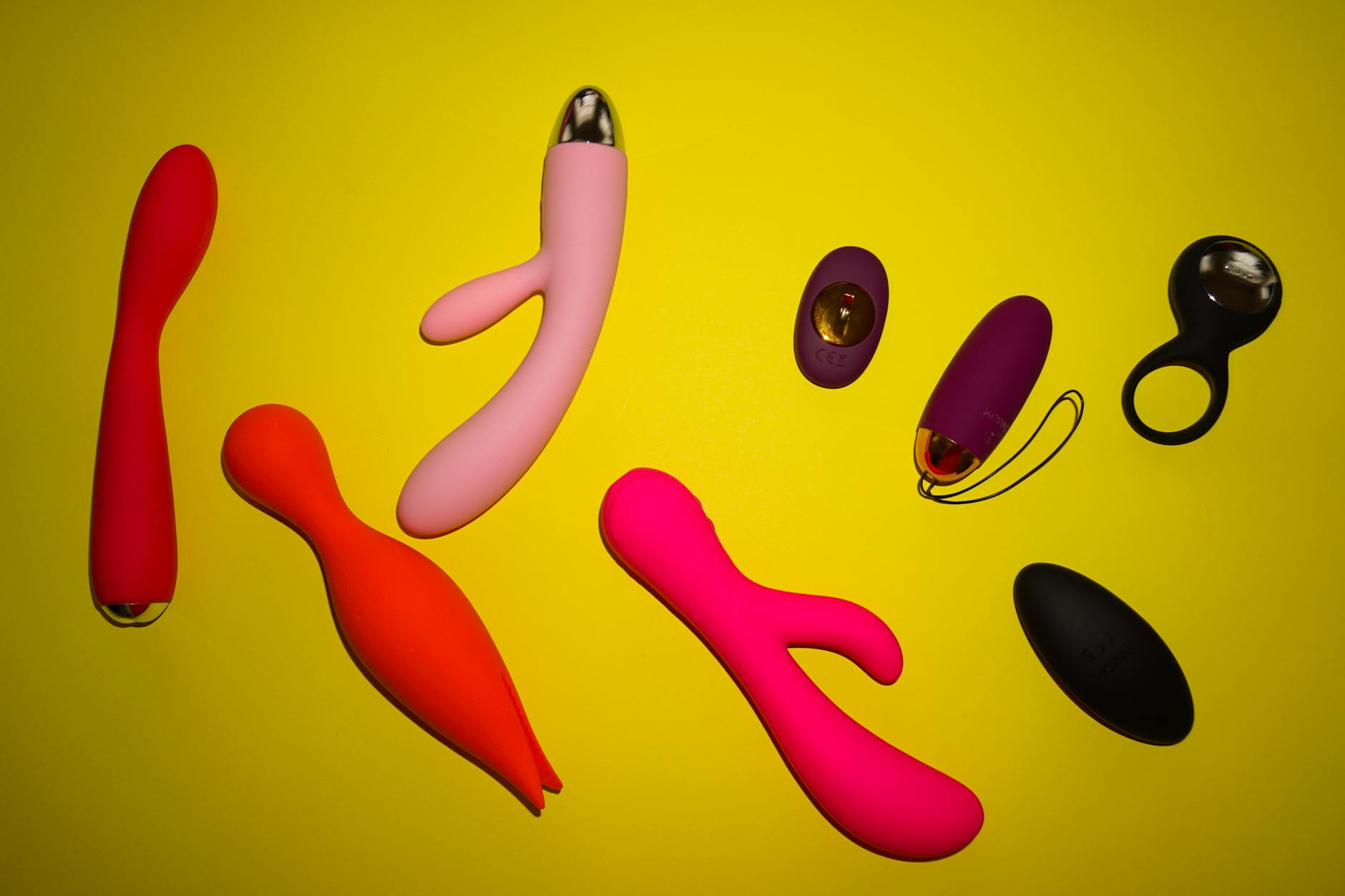
Here's what no one tells you about stress and desire
Burnout doesn't just make you tired. It kills arousal at the source. Not because your body's broken. Not because you don't love your partner. But because your nervous system is in survival mode, and survival mode has exactly zero bandwidth for pleasure.
I see this constantly in my practice. High-performing people, people in demanding careers, people juggling caregiving and work and everything else. They come in saying, "I don't want sex anymore." What they really mean is, "My brain can't access pleasure because it's too busy keeping me alive."
Why stress shuts down arousal (the actual mechanism)
When you're chronically stressed, cortisol floods your system. Cortisol is the stress hormone your body releases to handle threats. It's wildly useful in a crisis. But when it's constantly elevated, it suppresses dopamine and serotonin, the neurotransmitters that fuel desire and pleasure.
At the same time, your parasympathetic nervous system (the one responsible for arousal) gets crowded out. Your body literally can't shift into the relaxed state required for pleasure when it's stuck in fight-or-flight mode.
The result is what clinicians call "desire discrepancy from external stressors." Translation: you're not broken. Your system is just locked in the wrong mode.
The specific problem with traditional vibrators during burnout
Most vibrators require you to work up arousal before they feel good. They need warmth, lubrication, mental presence, a few minutes of transition time. When you're burned out, you don't have any of those things.
A lemon vibrator works differently. The suction mechanism activates pleasure without requiring you to already be aroused. You don't need to be wet. You don't need to want it first. The device itself creates the sensation that wakes up your desire, rather than requiring desire to be awake already.
This is the opposite of most toys. And for burnout specifically, it matters enormously.
Starting again when pleasure feels impossible
If you've been checked out for months, reactivating pleasure takes intention, not willpower. Here's the practical sequence.
Week one: just presence. Pick one evening when you're not completely exhausted. Not during your partner's TV show, not while checking email. An actual pause. Turn off your phone. Set a timer for 15 minutes. Sit down, lie down, whatever feels right. Put the lem on the lowest setting. Don't expect anything. The goal is just to remember that sensation exists.
Week two: texture and temperature. Your body has been numb. Add a lubricant. Not because you need it, but because it introduces another sensory channel. Warm water-based lube actually helps your brain register that something is happening. Use it. The texture difference matters.
Week three: rhythm. Once you've reactivated basic sensation, start playing with the patterns. A lemon clitoral vibrator typically has 4-6 intensity levels. Start at 2. Don't jump to the strongest setting looking for a feeling you remember. Slow arousal is real arousal. It just requires patience.
The mental shift that actually changes things
This is the hardest part. When stress has killed your libido, pleasure feels like another obligation, another thing you're failing at. Your partner wants you to want them. You think you should want yourself. Instead of desire, you feel guilt.
Let that go. Temporarily. Tell yourself: I'm not trying to fix my libido. I'm just trying to remember what pleasure feels like in my body. That's it.
The goal is not orgasm. The goal is not to perform for anyone. The goal is to spend 15 minutes remembering that your nervous system can access anything other than stress. Everything else follows.
When to bring a partner into this
If you're in a relationship, there's usually shame involved. Your partner feels rejected. You feel guilty. The silence gets louder. Communication matters here, and it's specific.
Don't say, "I'm broken." Say, "My stress is real and it's turned off my arousal. I'm working on waking it back up. I need you to give me space to do that." Then actually do it alone first. Use your lem vibrator solo. Get your nervous system remembering pleasure. Then, once you feel something shift, you can invite your partner in.
If you try to rebuild desire while your partner's watching and needing you to perform, it won't work. Your nervous system can sense the pressure. Privacy first. Partnership second.
The role of rest (the part everyone skips)
A lemon vibrator is not a cure for burnout. It's a tool for reconnecting to pleasure while you're actually addressing the burnout itself. Those are two different projects.
Take a real look at what's draining you. Is it your job? Your relationship? Your caregiving load? Your health? Your finances? Pick one thing and start dismantling it, or getting support with it. A vibrator is brilliant at reminding your body what pleasure is. It's not brilliant at fixing a 60-hour work week or an unsupportive partner.
The two happen in parallel. You work on reducing stress. You work on reconnecting to pleasure. They support each other.
How long does it actually take
Depending on how long you've been checked out, you're looking at 2-4 weeks before you notice a real shift in baseline desire. Not explosive desire. Just a small opening where pleasure starts to feel possible again.
Six to eight weeks and most people start initiating. Not because they suddenly remember passion, but because their nervous system has metabolized enough safety that it remembers: oh, this is available to me.
The timeline varies wildly. Someone returning from a three-month project deadline might reset in two weeks. Someone in chronic burnout from an unsustainable job might take longer. Neither timeline means anything's wrong. Bodies just need time.
FAQ
Can a lemon vibrator actually help if I'm too tired to even think about sex?
Yes, specifically because it doesn't require you to already want sex. The suction activates sensation directly, which is different from traditional vibrators that need arousal already present. You don't need motivation. You need 15 minutes and a charged device.
What if I use the lem vibrator and still feel nothing?
Nothing usually means your nervous system is deeper in shutdown than we thought. First, give it two weeks of gentle use, same time each evening. If nothing shifts, talk to your doctor about your stress levels. Sometimes what looks like low libido is actually depression or chronic stress that needs clinical support. The vibrator is a tool for reconnection, not a replacement for that conversation.
Should I feel guilty using a vibrator if my partner wants sex and I don't?
No. You should feel grateful you have a tool that helps you access pleasure again. Your partner's need for you to want them is real. But your need to reconnect to your own desire is realer. You can't want someone else if you can't want yourself. Solo use comes first.
Is it normal that arousal takes longer now?
Completely normal after burnout. Slow arousal is not broken arousal. It's how nervous systems work when they're recovering. The goal is never speed. The goal is sensation and presence. You'll notice desire returning faster once you stop chasing it.
Can I use a lemon vibrator with my partner if my libido is still really low?
Yes, but after you've spent at least 2-3 weeks using it alone. Solo use rewires your body's relationship to pleasure. Then partnered use can be slower, gentler, with less performance pressure. Most couples find that when the lower-desire partner has already started reconnecting to pleasure privately, partnered pleasure becomes way less fraught.
What if my burnout is from my relationship?
That's a separate conversation and it matters. You can use a lemon vibrator to rebuild your own capacity for pleasure. But if your partner is part of the problem (whether through lack of support, unrealistic demands, or emotional distance), you need a couples therapist or a real rest from the relationship. A vibrator can't fix relational issues. It can only help you reconnect to yourself while you figure out what you actually need.
The bottom line
Stress kills libido. Burnout tanks it further. But desire isn't gone. It's just hiding under layers of cortisol and exhaustion. A lemon clitoral vibrator can help you find it again because it doesn't require you to already be turned on. You're not trying to be sexy. You're trying to wake up.
Start small. Start solo. Start with the lowest setting and the simplest expectation: I'm just remembering what my body is capable of. Everything else follows.