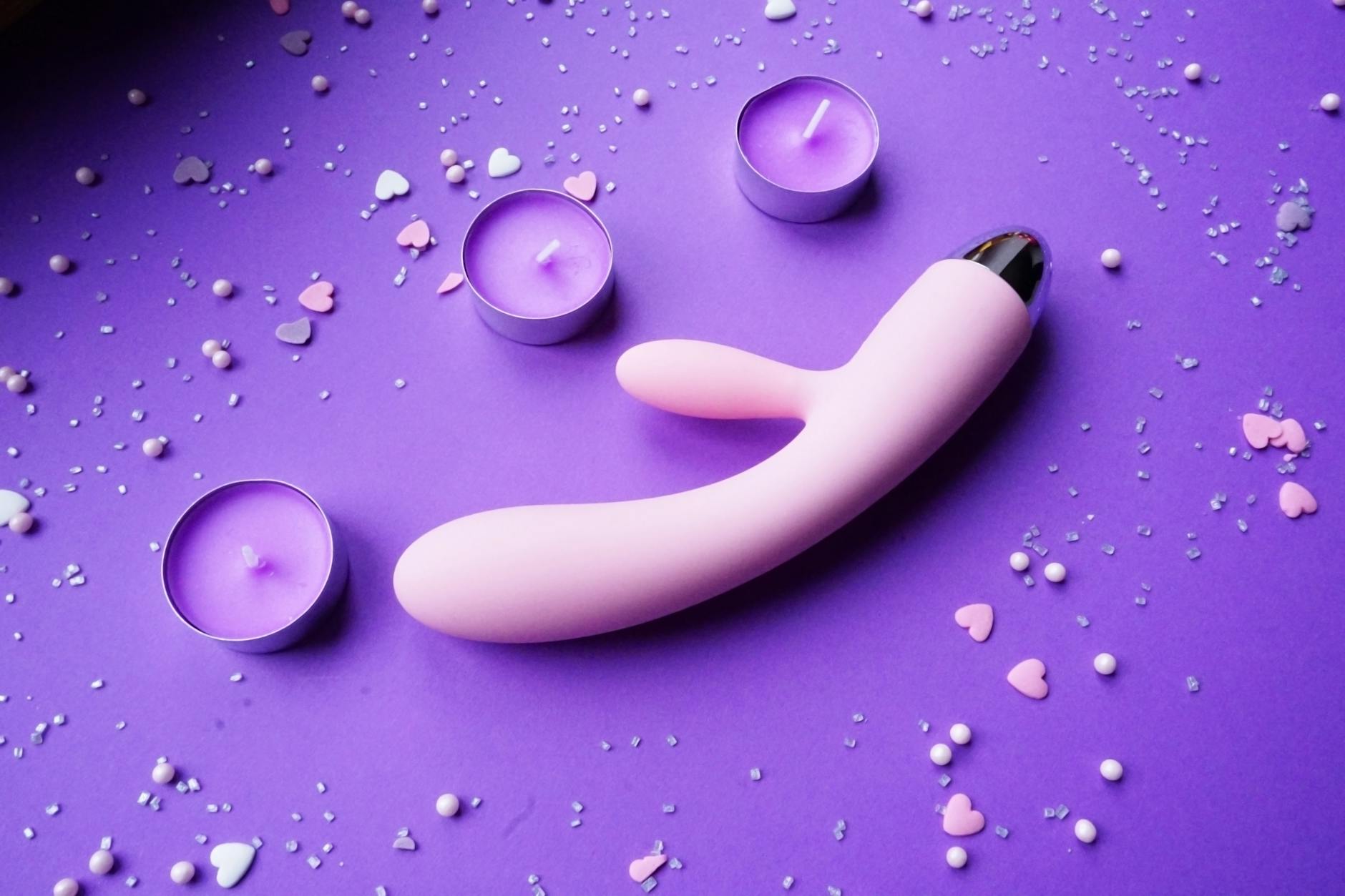
Let's start with the honest part
Decreased sensation during sex isn't a personal failure. It's also not rare. You're not broken, and you're definitely not alone in noticing that what used to feel electric now feels like you're experiencing it through a wall of cotton.
The question isn't whether sensation loss is real. It's what causes it, why lemon vibrators (specifically the suction-based clitoral vibrators Hello Nancy offers) work differently for numb or low-sensation bodies, and what to realistically expect in terms of recovery time.
What causes decreased sensation during sex
Sensation loss has about a dozen common culprits. Some are physiological, some psychological, most are a mix.
Medication side effects. SSRIs and other antidepressants, antihistamines, blood pressure meds, and anticonvulsants all numb sensation as a documented side effect. If this started when you began a new medication, mention it to your prescriber. Dose adjustment or timing changes sometimes help. You might also reference our guide on how to use a lemon vibrator after starting antidepressants for more targeted strategies.
Hormonal changes. Lower estrogen, thyroid dysfunction, and cortisol dysregulation all reduce blood flow to the genitals. This means less swelling, less engorgement, less natural lubrication, and less nerve sensitivity. It's mechanical, not emotional.
Neuropathy or nerve damage. Diabetes, chemotherapy, pelvic surgery, or prolonged pressure on the pudendal nerve can all reduce sensation. If you've had any of those, a pelvic floor physical therapist should be part of your team.
Psychological numbing. Chronic stress, anxiety, depression, and trauma all desensitize the nervous system. Your body literally learns to dampen sensation as a protective mechanism. This isn't something to shame yourself about. It's your nervous system doing its job, just too well.
Desensitization from vibrator overuse. Some people who've used traditional vibrators at high intensity for years develop what's sometimes called "vibrator dependency." The clitoris adapts to that specific stimulus, and other forms of touch feel too subtle. This is genuinely reversible with the right approach.
Why lemon vibrators work differently for low sensation
The key difference: suction-based clitoral vibrators like the Lem operate through pneumatic stimulation (air pulse) rather than mechanical vibration. Here's why that matters for numb bodies.
Traditional vibrators create stimulus through friction and rhythmic pressure. If your nerves are already desensitized, friction alone doesn't always reach the threshold of sensation. Lemon suction technology creates a completely different sensation pattern. It draws blood into the tissue, creates a gentle pulling-and-release rhythm, and stimulates a broader network of nerve endings at once.
For people with decreased sensation, this means two things. First, the sensation is often immediately more noticeable because it's a different type of input. Your nervous system hasn't already adapted to it. Second, the suction mechanism helps increase blood flow to the area, which over time naturally restores some sensation loss caused by poor circulation.
The Lem and other lemon clitoral vibrators also give you finer control over intensity. You can start at pattern 1 or 2 (barely-there suction) and work up gradually. Traditional vibrators often have a significant jump between "off" and "already pretty intense."
How to rebuild sensation step by step
Week 1-2: Arousal mapping.
Don't use the lemon vibrator yet. Instead, spend time noticing where sensation still exists. Where can you feel touch most clearly? Your inner thighs? Your breasts? Your neck? The entrance of the vagina? Map it out. This isn't a test you can fail. You're just gathering information.
Week 3-4: Sensitivity training.
Start using your Lem on the lowest pattern (usually pattern 1) for just 3-5 minutes. Apply it to areas where you still have decent sensation. The goal here isn't orgasm. It's noticing what patterns feel different. Some people find patterns 3-5 feel more noticeable than 1-2, even though they're stronger, because the rhythm is different. Experiment.
Week 5-6: Building tolerance and exploring positions.
Gradually increase time from 5 minutes to 10-15 minutes. Notice whether sensation feels stronger. If numbness is medication-related or stress-related, some people notice improvement this quickly. If it's neuropathy or post-surgical, improvement takes longer. Both are normal.
Try using the Lem in different positions. Some bodies register sensation more clearly when lying down, others when sitting upright. The angle changes nerve activation.
Week 7+: Integration and patience.
Sensation recovery is not linear. Some days you'll feel more. Other days less. This doesn't mean you've failed or that the lemon vibrator isn't working. Nervous system healing is genuinely slow. Give it at least 8-12 weeks before deciding whether this approach is helping. Many people don't notice real change until week 10 or 12.
The role of arousal and mental presence
Here's the part that matters just as much as the device itself: decreased sensation is often inseparable from decreased arousal or dissociation. If you're numbed out emotionally, your body follows suit.
Before using the lemon vibrator, create genuine arousal first. Read something that turns you on. Watch something. Fantasize. Spend time with your partner if you have one. The lemon vibrator amplifies arousal. It doesn't create it from nothing.
If dissociation or anxiety is part of your picture, you might also benefit from working with a therapist alongside this physical approach. I often recommend somatic therapy or trauma-informed sex therapy for people dealing with sensation loss plus anxiety or numbness in other parts of life.
When to see a specialist
If sensation loss appeared suddenly or after a specific event (medication start, surgery, injury), get it evaluated. A gynecologist trained in sexual medicine can rule out vascular issues, hormonal imbalances, or nerve damage that might need specific treatment.
If sensation loss is accompanied by pain, tingling, or nerve symptoms elsewhere in your body, see your primary care doctor. Neuropathy and other systemic issues need diagnosis, not just toy solutions.
If the numbness is tied to trauma, anxiety, or depression, a therapist is as important as any vibrator.
What realistic recovery looks like
Sensation can return. I've worked with countless clients who rebuilt sensation gradually through a combination of device use, stress reduction, medication adjustment, and nervous system work. But I won't promise a full return to how things felt at 22. Recovery might feel different. It might actually feel better in some ways because you're more intentional about it.
Some people recover 60-70% of lost sensation. Others get back to nearly baseline. Some find that the new sensation, once rebuilt, is actually more nuanced and interesting than what they had before. That last part sounds like romance-novel fiction until you experience it yourself.
The lemon clitoral vibrator isn't a magic wand. It's a tool that works particularly well for numb bodies because it uses a different nerve pathway than traditional vibrators. Combined with time, stress reduction, medical support if needed, and genuine arousal, it genuinely helps.
People also ask
How long does it take to regain sensation with a lemon vibrator?
It depends on the cause. If numbness is medication-related and you adjust your dose, some people notice change in 2-3 weeks. If it's stress or psychological, you might see improvement in 6-8 weeks of consistent use combined with stress reduction. If it's neuropathy or post-surgical, expect 12-16 weeks minimum. Sensation recovery is slow. That doesn't mean it isn't happening.
Can you use a lemon vibrator if you have almost no sensation?
Yes, but start very gently. Begin with pattern 1 for just 3-5 minutes. If you jump straight to pattern 4 or 5, you might overstimulate and cause frustration. The point is to let your nervous system gradually recognize and process the sensation. That takes time.
Is decreased sensation during sex a sign of a bigger health problem?
Sometimes. If it appeared suddenly, happened after an injury or surgery, or comes with other symptoms like tingling, pain, or numbness elsewhere in your body, see a doctor. If it developed gradually over years, it's often a combination of medication, stress, relationship patterns, and nerve adaptation. All treatable, but usually not a single-cause emergency.
Will sensation ever feel like it did before?
Maybe. Maybe different. The nervous system is remarkably plastic. It can relearn sensitivity. But it might relearn it in a new way that feels better, not necessarily identical. Some clients tell me their sensation actually improved in quality even if intensity never fully returned.
Can you combine a lemon vibrator with other treatments for sensation loss?
Absolutely. Pelvic floor physical therapy, topical estrogen cream (if hormones are part of the picture), stress-reduction practices, medication adjustments, and therapy all work alongside lemon vibrator use. They're not competing approaches. They're complementary.
Does masturbation with a lemon vibrator help more than partnered sex?
For sensation rebuilding, yes. Masturbation lets you focus entirely on your own sensation without performance pressure or anyone else's timeline. Once sensation starts returning, you can gradually reintegrate partner sex. But starting solo is usually more effective.