Let's name the real problem
Desire mismatch is the third rail of long-term relationships. Nobody wants to talk about it openly because it feels like a referendum on the relationship itself. If your partner wants sex more often than you do, or vice versa, it's tempting to frame it as a compatibility problem. It usually isn't. It's a logistics problem with an emotional component, and those are solvable.
Here's the thing: mismatched libido doesn't mean you're broken or wrong for each other. It means you're two different people with different baseline hormones, stress loads, and recovery speeds. And lemon vibrators, specifically clitoral vibrators designed around suction rather than friction, can actually help solve the gap in ways traditional toys cannot.
Why desire mismatch happens (and why it's not your fault)
Libido variance is driven by biology you can't negotiate with. Testosterone, cortisol, thyroid function, sleep debt, relationship stress, medication side effects, and accumulated resentment all swing your desire up or down. Add in the fact that one partner might prefer quickies while the other needs 30 minutes of foreplay, and you've got two people with entirely different sexual operating systems trying to sync.
The person with lower desire often feels pressured and guilty. The person with higher desire feels rejected. Both are suffering, which is why I tell couples that desire mismatch is relationship data, not relationship failure. It's telling you something needs attention. Usually that something is communication, not frequency.
Lemon clitoral vibrators can change the math here because they work differently than traditional vibrators. A lemon sucker like the Lem uses air-pulse stimulation instead of direct vibration, which means it can feel less intense and more responsive to gradual arousal. That matters for the partner with lower desire because it removes the pressure to perform and replaces it with a tool that can actually coax arousal into being.

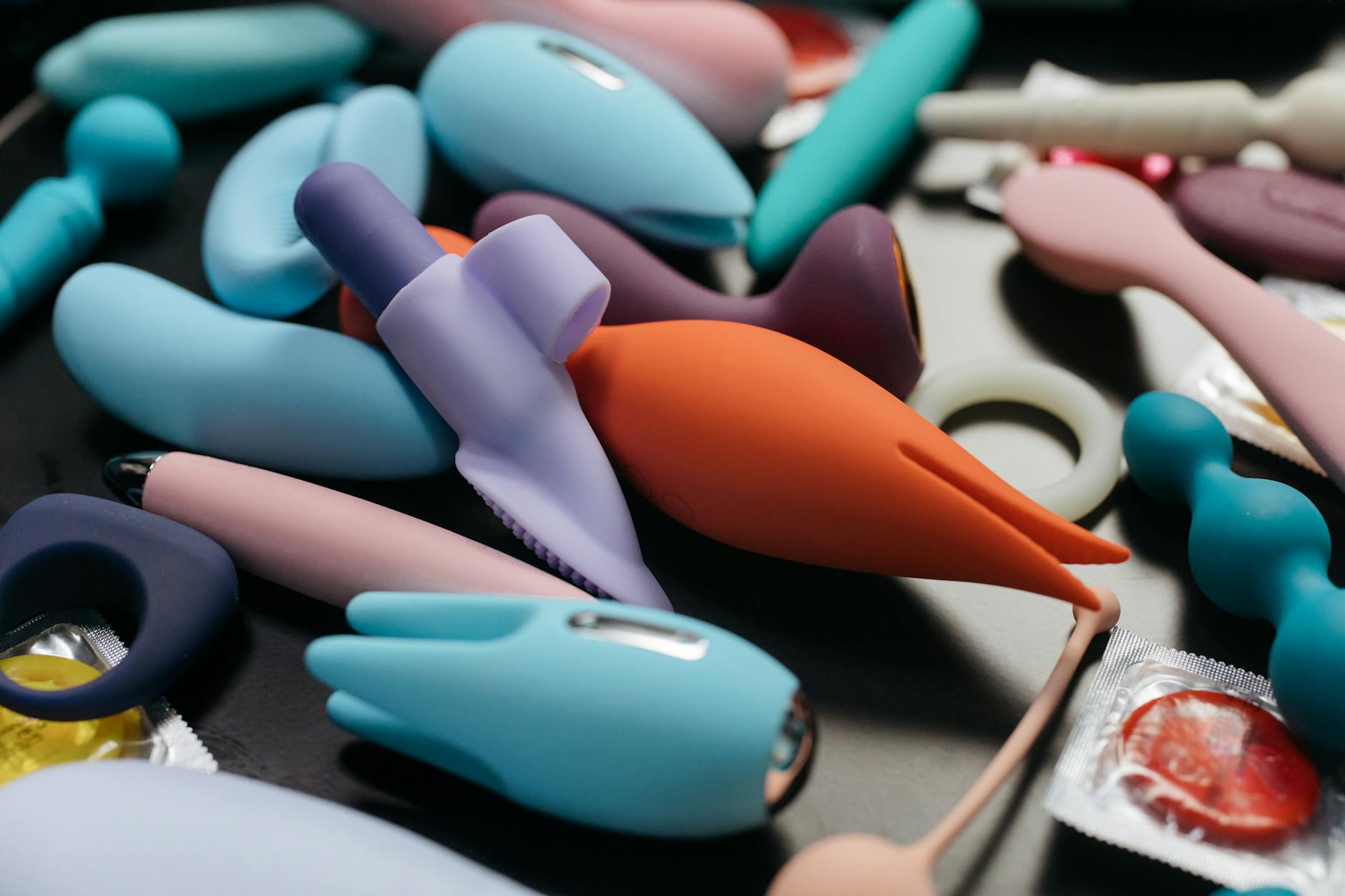
Photo by Olga Lioncat on Pexels
The conversation you need to have first
Before any toy enters the picture, separate desire frequency from desire quality. These are not the same thing. Your partner might want sex five times a week because they have a high libido, or because they feel emotionally disconnected and sex is their primary way of feeling connected. Those require totally different solutions.
Asking directly helps. "When you say you want more sex, are you craving physical release, or are you needing more closeness and intimacy?" The answer changes everything. If it's physical release, a lemon clitoral vibrator used solo or together can genuinely help. If it's emotional intimacy, the vibrator won't fix it, and pretending it will create resentment.
Having this conversation is uncomfortable, which is exactly why most couples skip it. But skipping it means you're both operating on assumptions. You deserve clarity.
How the lower-desire partner can use a lemon vibrator solo
If you're the one with lower desire, using a lemon vibrator alone serves two purposes: it removes performance pressure, and it teaches your body what genuine arousal feels like on your timeline.
Start with patterns 1 through 3 on the Lem or whichever lemon vibrator you choose. Suction vibrators respond to engagement more than traditional vibrators do. Keep the intensity low and let your body dictate the pace. Many people with lower baseline desire find that arousal builds more gradually and peaks differently than they expect. That's information worth gathering on your own first.
The second purpose is almost as important: solo exploration builds confidence. When you know what actually turns you on rather than what you think should turn you on, you can communicate that to your partner. You go from "I don't know what I want" to "I know exactly what my body needs, and here's how you can help." That's powerful.
How to bring a lemon vibrator into partnered sex when desire is mismatched
The frame matters. You're not introducing a toy because something is wrong. You're introducing a tool because you want to meet each other's needs without exhausting either of you.
Start with a conversation about what you're both hoping will shift. The higher-desire partner might say, "I feel disconnected when we're not intimate." The lower-desire partner might say, "I feel pressured and resentful." A lemon clitoral vibrator can help both. Here's how:
For the lower-desire partner, suction vibrators feel less invasive than traditional vibrators because they're not a shape inside you and they don't require the same mental engagement. You can relax more. You can say yes to touch without committing to sex. You can have an orgasm without the full performance of intercourse. This creates space for pleasure without obligation.
For the higher-desire partner, watching your partner respond to something that actually works for them is incredibly arousing. You're no longer chasing. You're witnessing. That's a fundamentally different dynamic, and couples often report that sharing a lemon vibrator feels more intimate than intercourse because it's based on what actually feels good rather than what's supposed to feel good.
Setting realistic expectations
A lemon vibrator will not magically align your desires. What it can do is make the mismatch less painful. The lower-desire partner might go from having sex twice a month to twice a month plus solo lemon vibrator sessions and occasional partnered use. That's not a complete bridge, but it's honest, and it doesn't require either person to fake interest or resent the other.
The higher-desire partner needs to hear this: your partner's lower libido is not a reflection on your attractiveness. Adding a toy does not mean they're replacing you or settling for less. It usually means they're willing to explore pleasure in a way that actually works for their body. That's a gift. Receiving it gracefully matters more than the frequency of sex.
Manage expectations by agreeing on what "more often" actually means. It might not be every week. It might be "we use a lemon vibrator together twice a month and that feels good to both of us." Specific, achievable goals beat vague hopes.
When to consider professional support
If desire mismatch is paired with resentment that won't lift, or if one partner feels genuinely rejected regardless of what you try, couples therapy helps. A lot. Specifically, therapy approaches like the Gottman Method help couples understand the underlying emotional needs driving the desire mismatch and rebuild the non-sexual intimacy that often erodes first.
If low desire is recent and wasn't always the case, it's worth investigating medical causes. Thyroid imbalance, depression, certain medications, and hormonal shifts all tank libido. Your doctor should know about this shift.
And if you're using a lemon vibrator together and it's creating tension rather than connection, that's information too. Sometimes the solution isn't a better tool but better communication about what you each actually need.
The mindset shift
Most couples treat desire mismatch as a problem to solve by making the lower-desire partner want more sex. That rarely works. A better frame is: how can we both feel satisfied and connected without either of us performing? A lemon clitoral vibrator is one answer because it decouples pleasure from obligation. You can have an orgasm. Your partner can feel connected. Neither of you has to pretend.
That's not settling. That's being thoughtful about what you each actually need and finding a real solution.
People also ask
Can using a lemon vibrator together really help when one partner has low libido?
Yes, if the lower-desire partner actually wants to explore this. The key is that it can't be coercive. If you're introducing it because your partner wants to "fix" your low libido, resentment builds fast. But if you're both curious about ways to connect that don't feel obligatory, a lemon clitoral vibrator can genuinely help. Start with explicit consent and check in often.
What if my partner thinks a vibrator means I'm not attracted to them anymore?
This is common. The conversation to have is: "I want to feel pleasure and stay connected to you. I think a lemon vibrator could help both of us. This isn't about you. It's about finding a way for my body to actually work with you instead of against you." Many partners feel relieved once they understand that the vibrator is creating more sex and intimacy, not replacing them. Show them it's collaborative.
How often should we use a lemon vibrator if desire is mismatched?
There's no right answer. Some couples use it every encounter. Others use it once a month as part of reconnecting. Some couples have the lower-desire partner use it solo and the higher-desire partner uses it with them occasionally. The frequency that works is the one you both agreed on without pressure. If it starts feeling like another obligation, you've lost the point.
Does using a lemon vibrator address the emotional side of desire mismatch?
Not directly. A lemon sucker helps with the physical and logistical parts of mismatch, but if the real problem is that one partner feels emotionally disconnected, the vibrator is a Band-Aid. You still need conversation and probably therapy to address what's driving the emotional distance. The vibrator makes the logistics easier while you do the real work.
What if one partner loves the vibrator and the other doesn't?
Stop using it together and reassess. If you're forcing tools into your relationship, you're adding friction instead of removing it. It's possible that you both actually need something different. The lemon vibrator isn't the goal. Connection is. If the vibrator isn't helping you get closer, try something else or seek support from a couples therapist.
Can a lemon vibrator improve desire mismatch long-term?
It can help manage it. Using a lemon clitoral vibrator might increase the frequency of sexual contact or satisfaction in both partners, but it won't rewire your baseline libido. What it does is create a sustainable rhythm where both people feel less resentful and more satisfied. That often improves the relationship enough that intimacy naturally increases. But it's a tool, not a cure.
The real work
Desire mismatch is one of the things couples fight about but rarely discuss directly. Using a tool like a lemon vibrator can shift the dynamic, but only if you're willing to name what you actually need and hear what your partner needs. The vibrator is the easy part. The conversation is where the real work happens. But couples who do that work often find that their intimacy improves in ways that have nothing to do with frequency and everything to do with feeling genuinely met by each other. That's worth the discomfort of asking.