
The pressure paradox
Here's the thing that nobody talks about clearly. When sex becomes something you're supposed to want on someone else's timeline, your body stops sending pleasure signals altogether. It's not broken. It's protecting you.
I see this constantly in my practice. One partner wants sex on Tuesday nights. The other partner feels that expectation like a deadline, which turns arousal into a performance task. Suddenly, physical touch that used to feel good feels like an obligation. And once you're in that headspace, a vibrator won't fix it—but intentionality will.
The Lemon clitoral vibrator works beautifully in this exact scenario because it's small, quiet, and designed for precision pleasure on your own terms. It gives you back control over speed, intensity, and timing. And control is what makes pressure dissolve.
Why rushed intimacy shuts down pleasure
Your nervous system doesn't care about good intentions. When you know you have 15 minutes before someone gets home, or when you're acutely aware that your partner is waiting, your body goes into performance mode. The vagus nerve—the main highway for arousal and calm—tightens up. Blood flow doesn't redistribute to your genitals the way it does during genuine arousal. Your pelvic floor tenses instead of relaxing.
This is neurobiological, not emotional weakness. Even if you intellectually want sex, your nervous system might be saying "Not like this. Not now. Not under these conditions."
When you use a lemon sexual toy solo, without an audience or a clock ticking, something shifts. You're not trying to climax for someone else. You're not tracking how long this is taking. You're following your own arousal curve, which might be 5 minutes or 45 minutes depending on the day.
The reset: using solo exploration to rebuild trust
Before jumping back into partnered sex, many people need a reset period. This is where solo play with a lemon clitoral vibrator becomes genuinely therapeutic, not because it's a toy but because it reestablishes your relationship with your own pleasure.
Start with zero expectations. I mean that literally. Don't go into it thinking "I need to orgasm." Instead, treat it like research. You're learning what you actually like when there's no pressure.
Set a time when you have genuine privacy. Lock the door. Put your phone in another room if the ding of a text message makes you anxious. The Lemon vibrator is quiet enough that background noise won't drown it out, so you can actually relax in your own space.
Then explore slowly. Use the lowest setting first. Notice what sensations register as pleasant versus neutral versus overwhelming. Some days your clitoris might want a lot of direct stimulation. Other days, stimulation slightly off to the side feels better. A lemon adult toy's targeted design lets you dial this in precisely.
This is not foreplay to orgasm. This is recalibration. After a few sessions of solo exploration without pressure, your body starts remembering that pleasure is yours to claim, not something you produce on demand.
Reclaiming your pace with a partner
Once you've done some solo work, the conversation with your partner needs to happen before clothes come off. I know that sounds clinical, but it's the opposite. It's honest.
Say something like: "I've realized I need sex to happen without a schedule right now. When I know there's an expectation, I shut down. Can we try something different where we check in about desire in the moment instead of planning it?"
If your partner responds well, fantastic. If they get defensive or say "This is about me, isn't it?" then you're actually uncovering a deeper compatibility issue that a vibrator can't solve. But at least you know.
When you do have partnered sex again, using a lemon clitoral vibrator can actually ease the pressure on both of you. If you use it solo during foreplay, you're controlling your own arousal and pace. Your partner isn't responsible for getting you "ready." They're present, but you're driving the intensity. This takes enormous pressure off both of you.
Alternatively, you can use it together. Your partner can hold it while you guide them on speed and positioning. This transforms the dynamic from "Can you get me off?" to "Let's explore this together, at my pace." Totally different energy.
Setting boundaries that stick
Using a lemon vibrator solo also teaches you something crucial: what you're actually willing to do and what you're not. When you're not pressured, you get clarity.
Maybe you discover that you want sex once a week, not twice. Maybe you want it in the morning when you're not exhausted. Maybe you only want it when you're feeling emotionally connected first, not as a way to create connection. These are real data points, not personality flaws.
Once you know your genuine preference, you can communicate it. "I want us to have sex, and I'm most available after we've had a good conversation" is wildly different from "I don't want sex because I'm broken," which is often what people think when pressure has killed desire.
Your lemon sexual toy becomes proof that you're capable of pleasure. You're not asexual. You're not shutting down because you don't love your partner. You're shutting down because the conditions aren't right. That's fixable information.
When arousal takes time
One more thing that solo exploration reveals: you might need more warm-up time than you did before, or than your partner needs. Some people can go from zero to arousal in 90 seconds. Some people need 20 minutes of mental space to even start feeling physical sensation.
This is completely normal and becomes obvious when you explore without pressure. Using a lemon clitoral vibrator solo teaches you your own timeline. Then you can give that information to your partner instead of pretending to be ready when you're not.
If you typically need 15 minutes of solo exploration with your vibrator before you're genuinely turned on, that's useful data. You can incorporate it into partnered sex: "Let me use this for a few minutes first, then we can continue together." No shame, no performance, just honest logistics.
Reintegrating pressure-free sex
Here's the trajectory many people follow after using a lemon adult toy to reset. First, solo exploration without goals. Second, honest conversation with your partner about what you actually want. Third, reintroducing partnered sex on new terms where there's no deadline.
This doesn't mean sex becomes spontaneous immediately. Sometimes the most healing thing is a planned "let's reconnect" evening where there's no other agenda. You're not squeezing it in. You're dedicating time to exploration together.
Using the Lemon vibrator in that context—together, no clock, genuine curiosity about each other's pleasure—transforms it from pressure into play. Your nervous system recognizes the difference. Pressure tightens. Play opens.
Over time, as your body learns that sex isn't a performance task, spontaneous desire often returns. But that return happens on your timeline, not because you forced it.
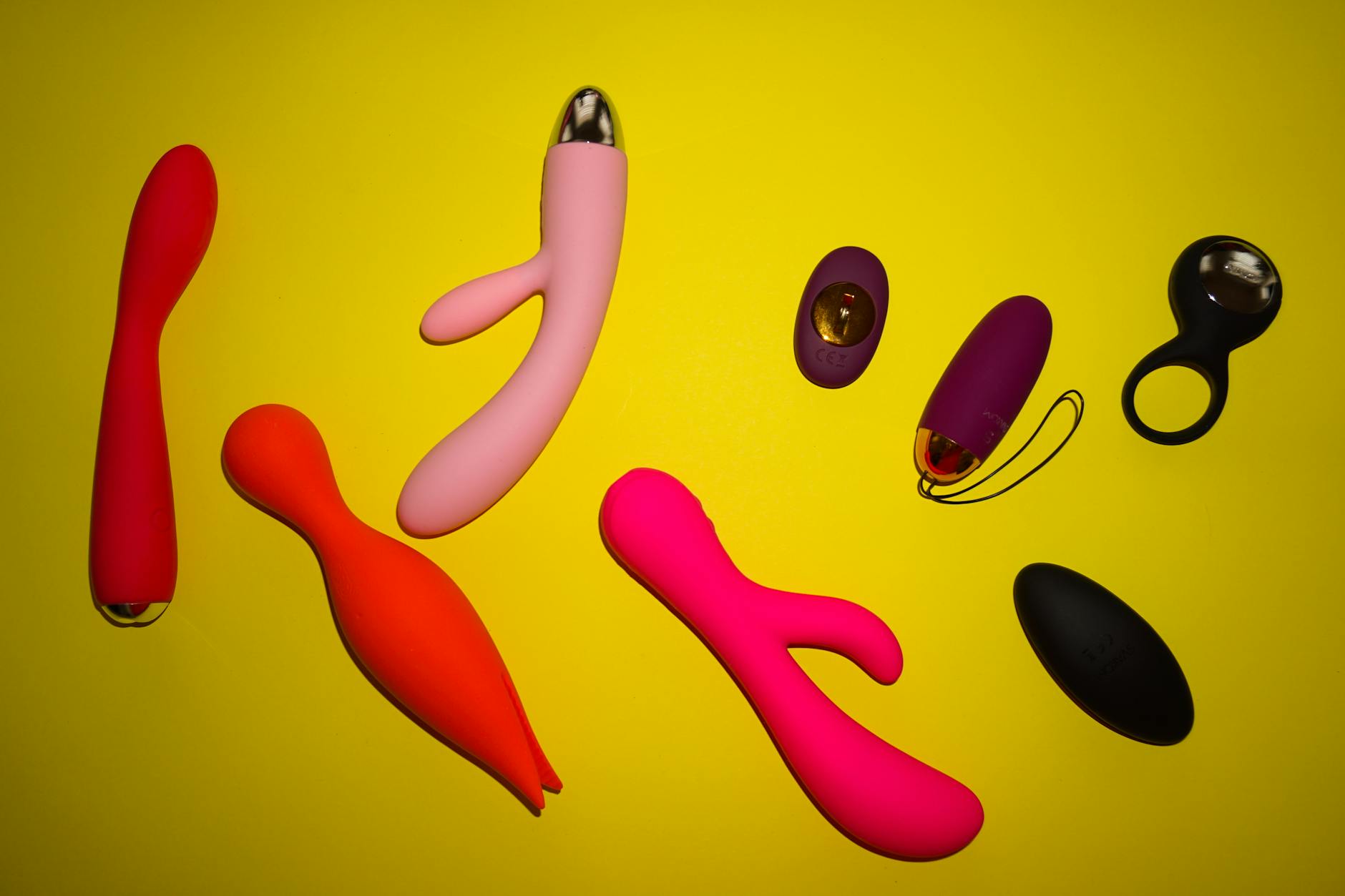
Photo by DRT.fm on Pexels
FAQ: Pressure, pleasure, and pace
How long does it take to rebuild desire after pressure kills it?
There's no universal timeline. Some people feel shifts in 2-3 weeks of pressure-free exploration. Others need 2-3 months. What matters is consistency, not speed. If you're using a lemon clitoral vibrator solo once or twice a week, your nervous system gets the message: pleasure belongs to you, on your terms. That realization spreads to partnered intimacy eventually, but you can't rush it.
Can using a vibrator solo actually make partnered sex better?
Completely. When you know what you like through solo exploration, you can actually guide your partner instead of waiting passively for them to guess. You also lose some of the performance anxiety because you've already experienced pleasure without depending on anyone else. The pressure reduces, which means arousal works better when you're together.
What if my partner feels threatened by me using a vibrator?
That's a separate conversation that's worth having. A lemon vibrator isn't competition. It's a tool for your own pleasure, especially in situations where partner-dependent pleasure feels pressured. If your partner can't accept that, you're dealing with a relationship trust issue that goes deeper than the toy. Consider working with a couples therapist to untangle what's really happening underneath.
Is it normal to need more time to warm up than my partner?
Absolutely normal. People's arousal timelines vary wildly. Women often need more warm-up time than men, especially if they've been in pressure-filled situations. This isn't a flaw. It's just data about your body. A lemon sexual toy lets you honor your own timeline instead of forcing yourself to match someone else's.
Should I tell my partner I'm using a vibrator solo to rebuild desire?
If you're trying to rebuild partnered intimacy, some transparency usually helps. You don't need to give graphic details. Something like "I'm doing some solo exploring to reconnect with what feels good to me" is honest without oversharing. If your partner responds with curiosity rather than defensiveness, that's a good sign about your relationship foundation.
What if solo exploration doesn't bring desire back?
If pressure from a partner has killed your desire and solo play isn't reigniting it after a few months, that might signal something deeper—depression, hormonal shifts, past trauma, or genuine incompatibility. A sex therapist or couples counselor can help you figure out which. A vibrator is a helpful tool, but it's not a fix-all for low desire rooted in relationship wounds or mental health struggles.
The deeper point
Pressured sex isn't actually sex. It's compliance. Your nervous system knows the difference, and so do you. Using a lemon clitoral vibrator solo gives you back the experience of pleasure that's purely yours. No expectations, no timeline, no performance.
Once your body remembers what genuine arousal feels like, you have real information about what you actually want with a partner. And that honesty is what transforms intimacy from something you should do into something you choose to do.
Need more support rebuilding connection after pressure has strained your relationship? Check out our guide on rebuilding intimacy after a break. Or if your struggle is about mismatched desire with your partner, this resource walks through that specific dynamic.
Your pleasure matters. Your pace matters. Your boundaries matter. The right conditions make that obvious.